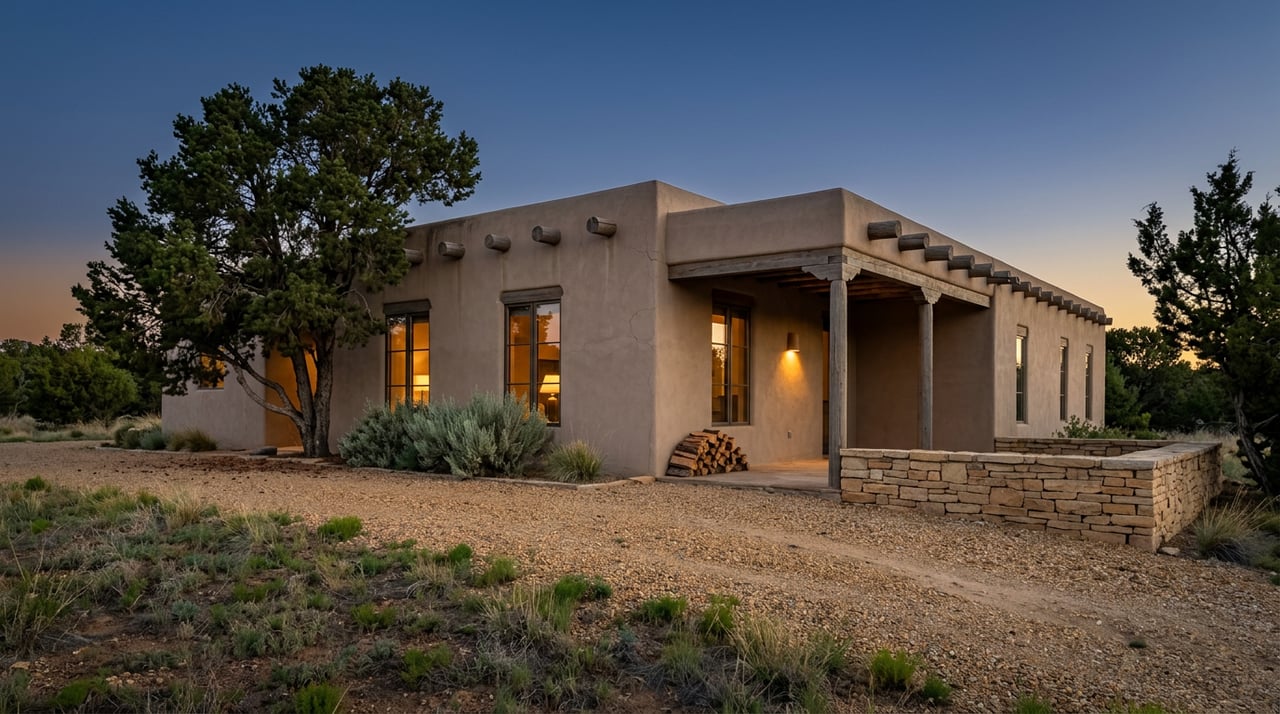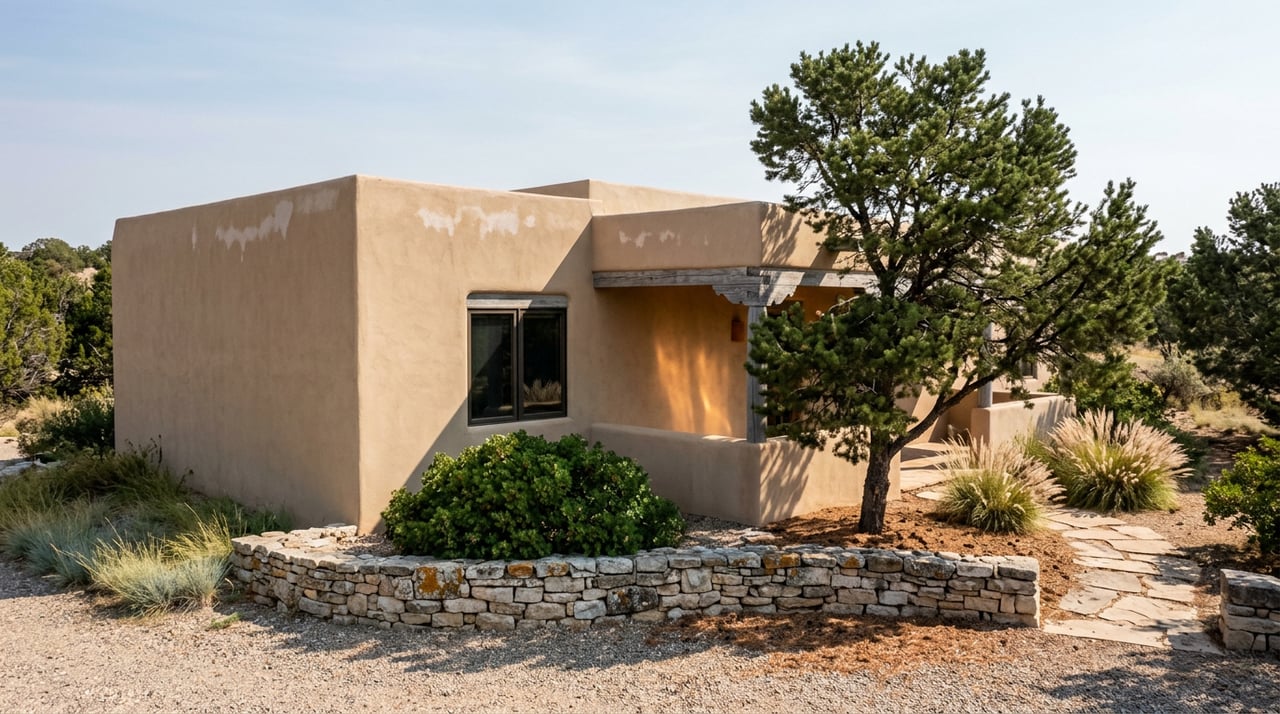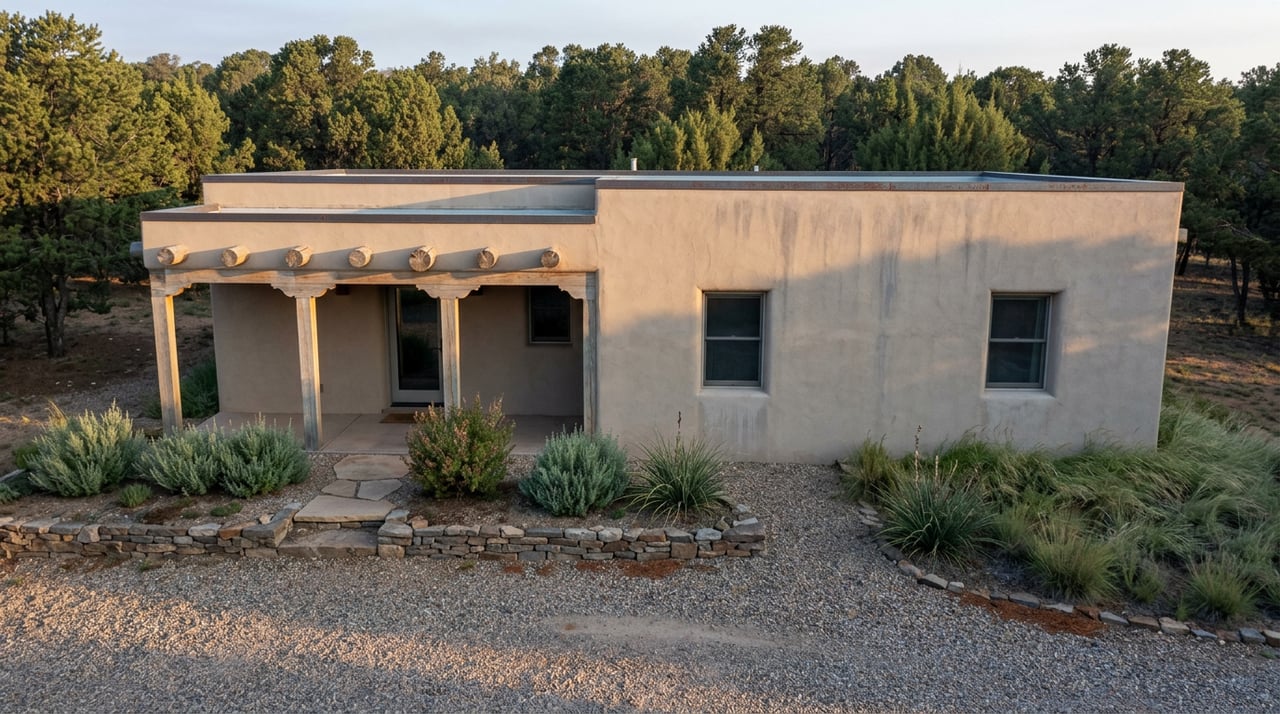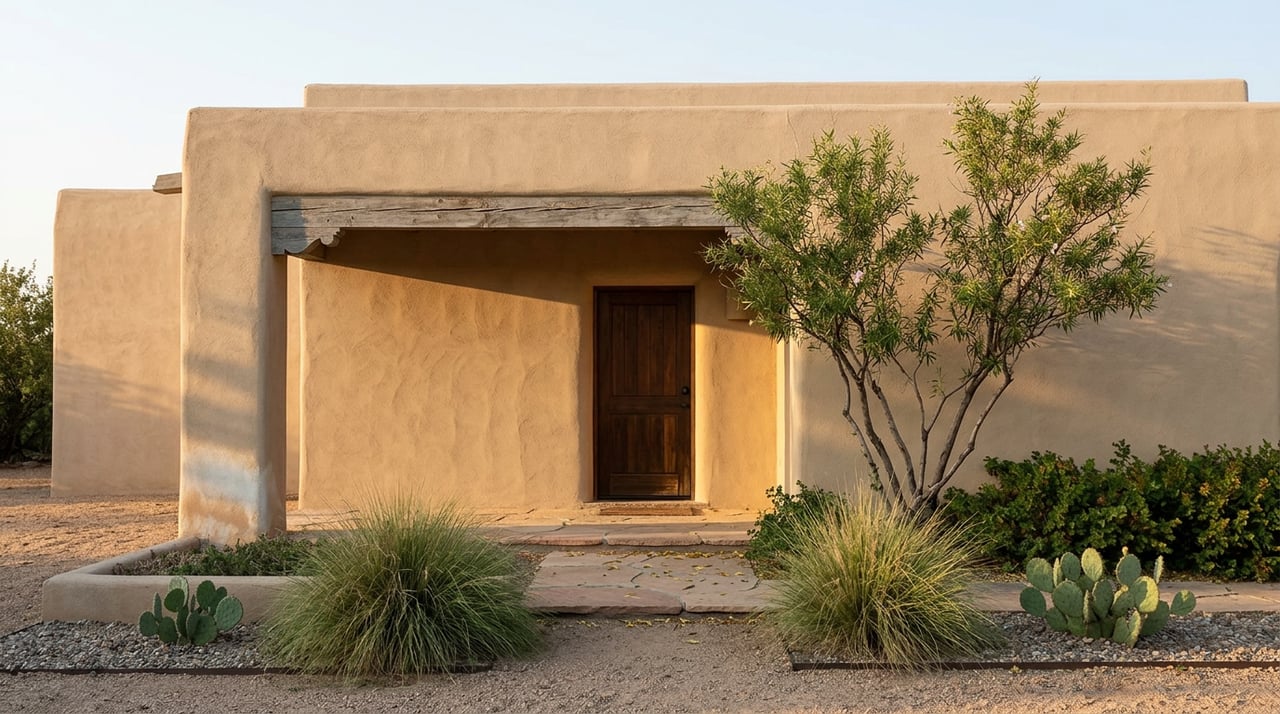
Anyone who lives near Camino Lejo can sketch the shape of Museum Hill from memory: four museums, a botanical garden, lunch at Weldon's if the patio isn't full. What most people driving up the hill miss is that one of those four museum buildings isn't actually a museum building at all. It was a house first, and it's the only one of the four where you can walk in without buying a ticket.
That building is the Nuevo Mexicano Heritage Arts Museum, at 750 Camino Lejo, and the fact that it charges nothing to enter is the smaller of its two surprises.
Four Museums, One Different Rule
The Museum of International Folk Art, the Museum of Indian Arts and Culture, and the Wheelwright Museum of the American Indian all sell admission. So does the Santa Fe Botanical Garden next door. The Nuevo Mexicano Heritage Arts Museum, known until 2024 as the Museum of Spanish Colonial Art, does not. No ticket, no timed entry, no membership required to walk the galleries.
The museum's hours are narrower than its neighbors: Wednesday through Friday, noon to 4 p.m., and Saturday 10 a.m. to 4 p.m. It's closed Sunday and Monday, which is exactly when most weekend visitors to the Hill are circulating. That schedule, more than the admission policy, is probably why the free museum on Museum Hill is also the one residents are least likely to have actually entered. You have to know to come on a weekday afternoon or catch it on a Saturday morning before the parking lot fills for the garden.
The 2024 name change was a deliberate shift, not a rebrand for its own sake. The collection is overwhelmingly regional New Mexican work, and the new name says so plainly. The Spanish Colonial Arts Society, which has owned and operated the museum since 1925, kept the free-admission policy in place after the change. It remains the only museum on Museum Hill without a price of entry.
The Building Is Older Than the Plan for the Hill
Here's the part that even longtime neighbors tend not to know. In 1930, architect John Gaw Meem entered a competition to design what would become Museum Hill. His winning proposal called for a 38-building complex. Only two of those 38 buildings were ever actually constructed.
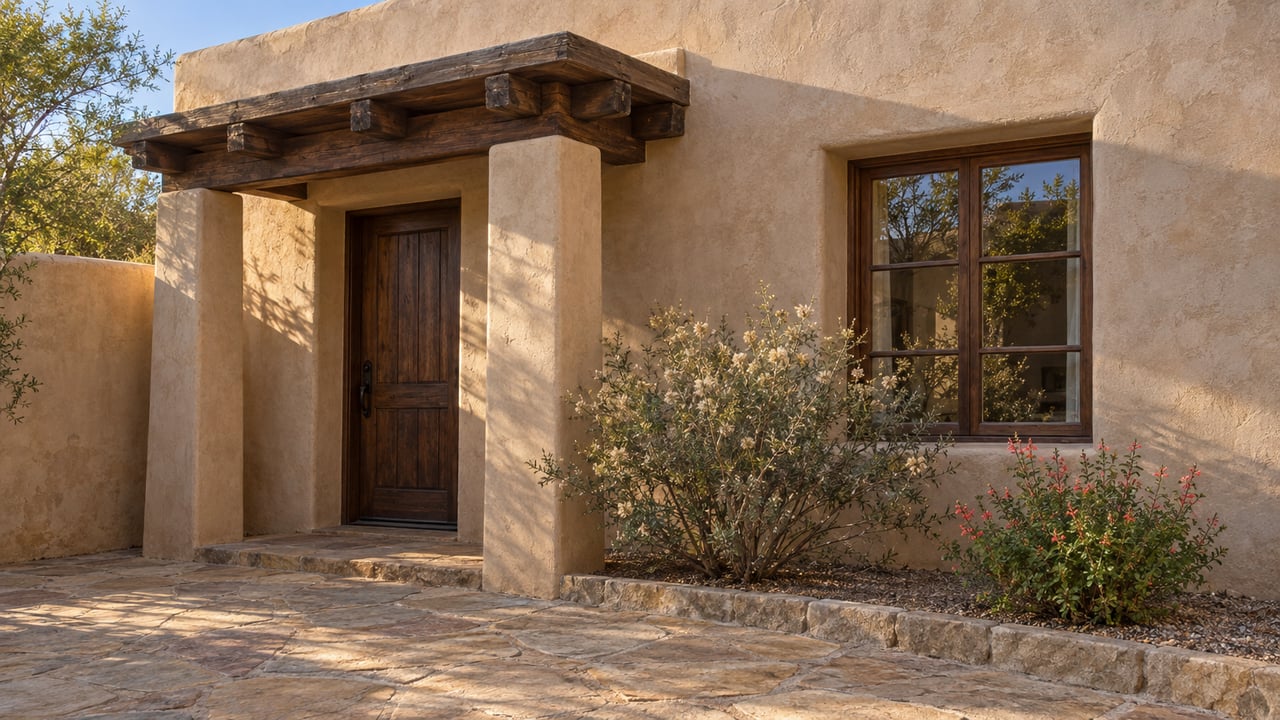
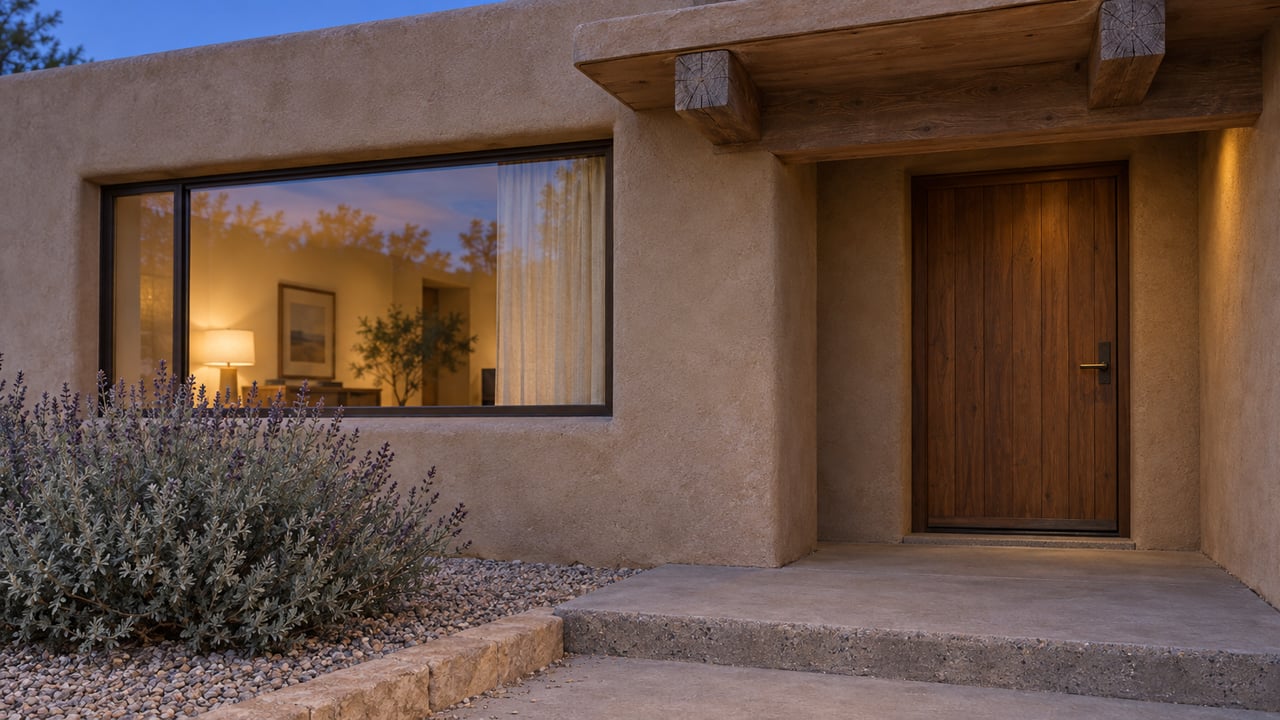
One of the two survivors is the structure that now houses the Nuevo Mexicano Heritage Arts Museum. It wasn't built as a museum. It was built as the residence for the director of the Laboratory of Anthropology, a house first, decades before anyone toured it as a gallery. Everything else you associate with Museum Hill today, the Folk Art building, the Wheelwright's eight-sided form modeled on a Navajo hogan, the garden's terraces, arrived later, filling in around a master plan that was mostly never realized.
So the one museum on the Hill that doesn't charge admission is also, by a wide margin, the one most directly tied to the Hill's original architectural intent. It's a strange kind of hierarchy: the building nobody pays to enter is the closest thing standing to what Meem actually drew in 1930.
What's on the Walls Before the Snow Comes
The museum's exhibit calendar gives residents an actual reason to time a visit this fall rather than filing this away as trivia for later.
| Exhibit | On View | Focus |
|---|---|---|
| The Carson Phenomenon: A Colcha Cottage Industry | Through October 2026 | The embroidery tradition that grew out of the small town of Carson, New Mexico, settled in 1908 by Mormon homesteaders |
| Nuevos Dioses | Opens November 2026 | Patrick McGrath Muniz's retablos, exploring what it means to paint in the age of artificial intelligence |
The Carson show is the more unlikely story of the two. Carson was founded by homesteaders looking for farmland, not an art colony, and the colcha tradition that took root there came out of a mix of drought, hard circumstance, and a handful of dedicated stitchers, among them Sophie Graves, Francis Graves, Winnie Shupe, and Mabel O'Dell, whose work anchors the exhibit alongside contemporary colcheras Louise Graves and Elaine Graves carrying the technique forward. It's the kind of regional story that a museum built specifically to house New Mexico's own material culture is positioned to tell in a way a broader institution wouldn't bother to.
When Nuevos Dioses opens in November, the museum shifts from embroidery history to a contemporary question, using traditional retablo painting to ask what happens to devotional image-making when the tools change. That pairing, a century-old textile story followed by a show about painting and machine learning, says something about how the museum sees its own collection: not frozen in the colonial period, but still adding to itself.
The Acres Nobody Buys a Ticket to Walk
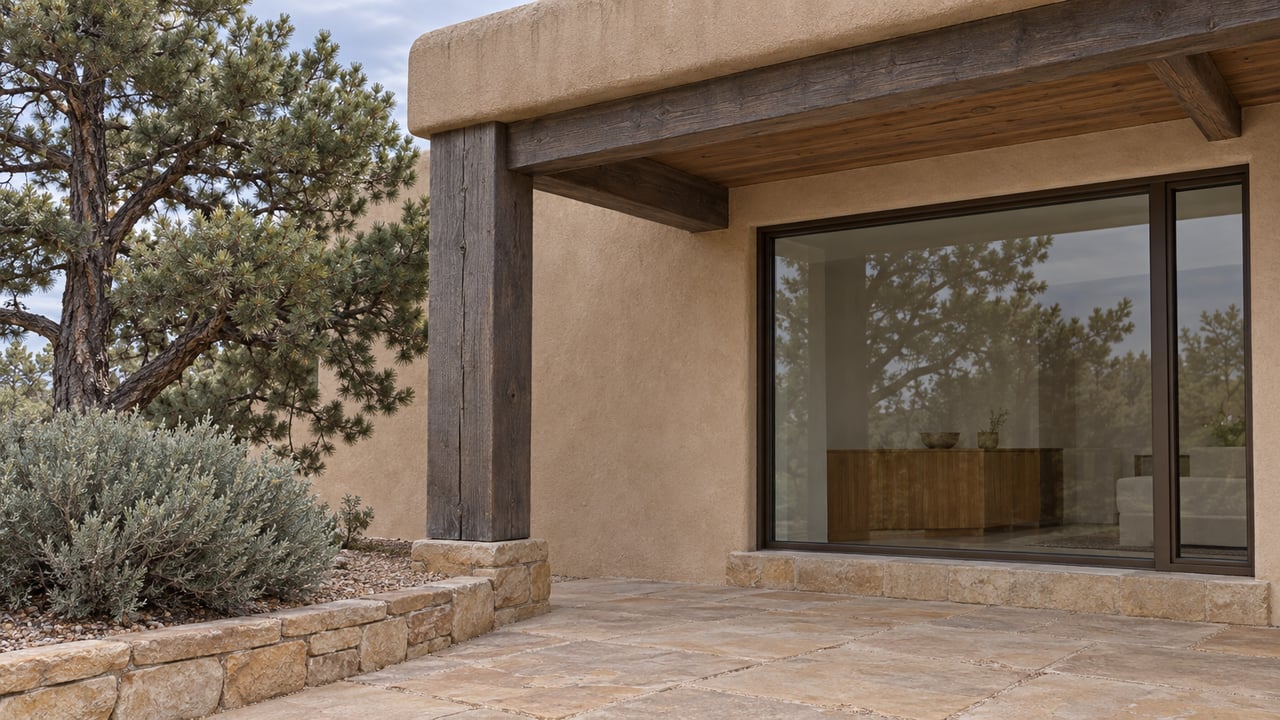
The museum sits on 2.5 acres bordering the Arroyo de los Chamisos, and by the Society's own account, that ground has changed very little since the 1930s even as the rest of Museum Hill filled in around it. Mature piñon and one-seed juniper dominate, with rubber rabbitbrush, tree cholla, soapweed yucca, prickly pear, and blue grama grass filling in underneath. Coyote, deer, and bobcat have all been spotted on the property, and a portion of the arroyo itself, part of the larger Santa Fe River watershed, runs through the grounds.
Walk fifty yards up Camino Lejo and you'll find the Santa Fe Botanical Garden charging admission to walk visitors through a comparable stretch of high-desert planting, xeric beds and native species chosen for the same climate. The free museum's grounds aren't landscaped or curated the same way the garden's are, and they're not a substitute for it. But they're a piece of undeveloped high desert sitting in the middle of one of Santa Fe's busiest cultural corridors, and nobody's charging to see it.
Inside, the museum also maintains a restored 1930s kitchen where it runs cooking classes centered on traditional New Mexico foodways, another use of the original residence that has nothing to do with looking at art on a wall. It's a working piece of the house doing what a kitchen in a 1930s residence would have done, just with a class roster attached now instead of a live-in staff.
A Different Kind of Stop on the Hill
None of this makes the free museum bigger or more essential than its ticketed neighbors. The Folk Art collection, the Wheelwright's Native art holdings, the garden's Orchard and Ojos y Manos sections all draw people back for reasons that have nothing to do with what NMHA offers. But the fact that the one building on Museum Hill without an admission fee is also the one building most directly descended from the Hill's own founding blueprint is the kind of detail that tends to go unnoticed by people who drive past it weekly on the way to the garden's parking lot or Weldon's for lunch.
Next time you're heading up Old Santa Fe Trail toward Camino Lejo, the stop worth making isn't the one with the line. It's the house that was there before the district had a name, sitting quietly at 750 Camino Lejo, open Wednesday through Saturday, no ticket required.
For residents of Old Santa Fe Trail and Museum Hill, this kind of detail is part of what makes the neighborhood worth knowing well beyond its real estate listings. Beth Caldarello and the Plaza Group Santa Fe team spend as much time tracking the texture of this neighborhood as its market, because the two are never really separate. If you're curious what else the Hill has to offer, or what it might mean for your own plans here, Schedule a Private Consultation.