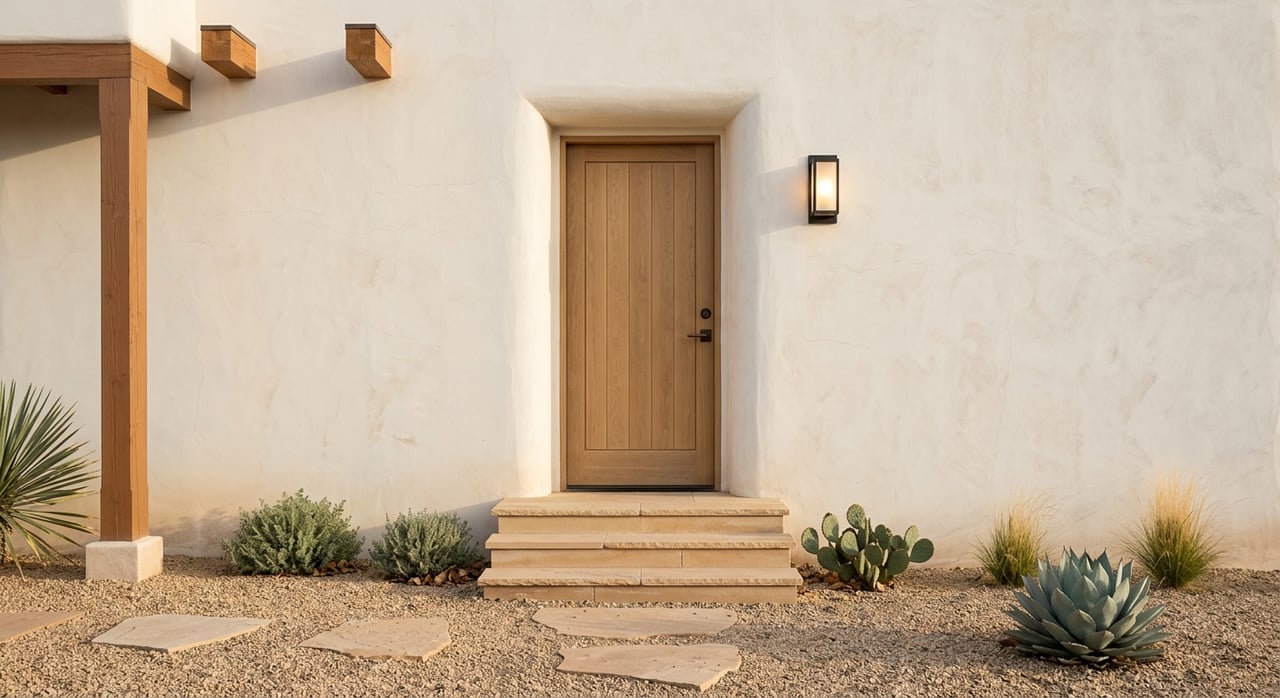
When you sell a home in South Capitol, you are not just bringing square footage to market. You are presenting a piece of in-town Santa Fe living, where historic character, walkability, and design all shape how buyers perceive value. If you want to attract discerning buyers and protect your price, the right preparation matters. Let’s dive in.
Why South Capitol tells a premium story
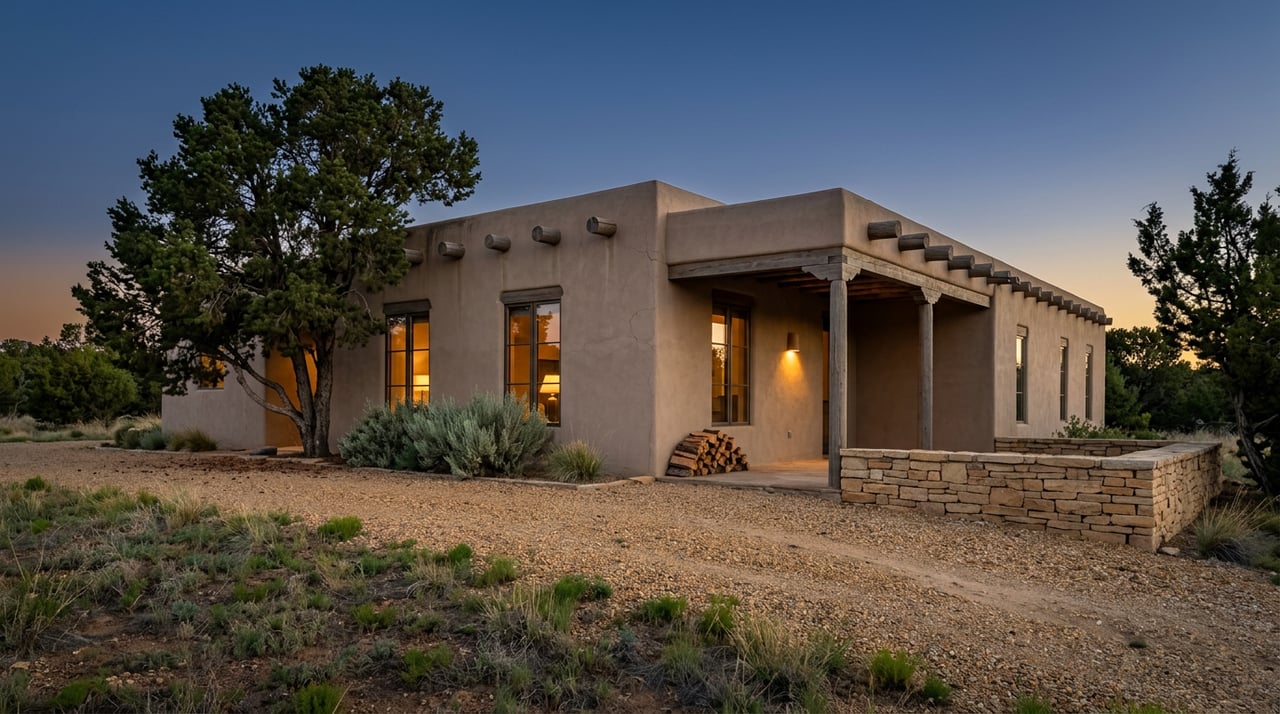
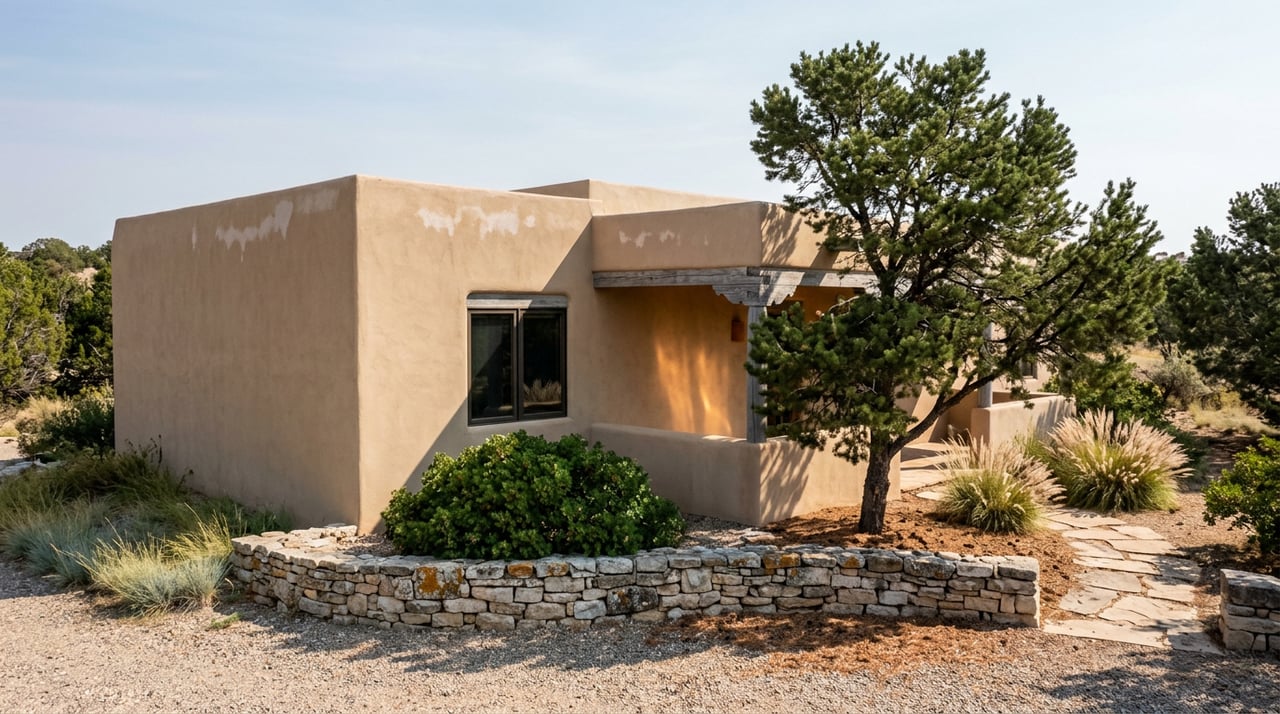
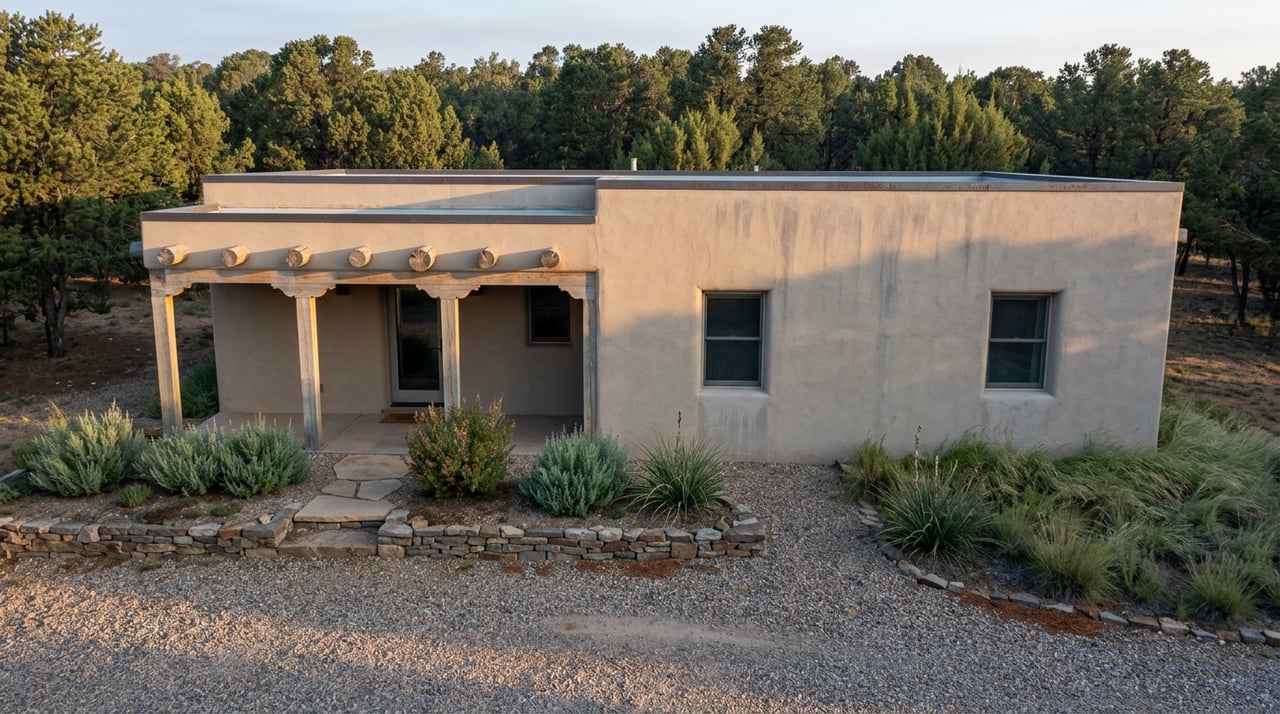
South Capitol sits in a part of Santa Fe where place carries real weight. The city identifies the Don Gaspar District as part of the larger South Capitol neighborhood, with railroad-era development from about 1890 to 1930 and a close-knit street grid that contributes to its historic character. That setting gives sellers something many buyers are actively seeking: an in-town home with architectural identity and a strong sense of place.
That appeal matters even more in today’s market. Realtor.com ranked Santa Fe as the top luxury housing market in its Spring 2026 ranking, and reported that nearly 70% of shoppers viewing Santa Fe listings were from outside New Mexico. For a South Capitol seller, that means your buyer may be local, relocating, or searching for a second home, but in each case, the home needs to feel distinctive from the start.
At the same time, broader city data show that good homes still need strategy. Redfin reported a March 2026 median sale price of $545,000 in Santa Fe, with average days on market at 88, up from 56 the year before. In other words, even in a lifestyle-driven market, location alone is not enough to carry a premium listing.
What discerning buyers notice first
In South Capitol, buyers are often responding to more than finishes. They notice the rhythm of the street, the relationship between the home and the block, and whether the property feels true to Santa Fe. Local reporting in early 2026 described Santa Fe as a neighborhood-driven micro-market where well-priced, turn-key homes move, and noted that proximity to the Plaza remains a major value driver.
That makes your positioning especially important if your home offers easy access to downtown, preserved architectural features, or a strong indoor-outdoor connection. These are not background details. They are part of the value story.
For many buyers, the emotional draw of South Capitol comes down to a few core elements:
- Historic fabric and period character
- Walkable, in-town living
- Architectural integrity
- Condition and readiness
- Outdoor spaces that feel usable and refined
When those pieces come together, the home reads as curated rather than simply available.
Start with preservation-minded preparation
Before you plan photography or a launch date, it helps to look at the house through two lenses: what needs attention, and what should be protected. In a historic area, thoughtful restraint often works better than aggressive updating. Buyers drawn to South Capitol typically want character, not a generic remodel.
The City of Santa Fe’s Historic Preservation Division helps owners in historic districts with modifications, and exterior work in those districts must be pre-approved. Some minor changes may be reviewed administratively, while more complex work goes before the Historic Districts Review Board. If you are considering visible exterior improvements, build in enough lead time before listing.
The city’s review standards focus on harmony in style, form, color, height, proportion, texture, and material. For sellers, that creates a useful filter. The goal is not to make an older home look new. The goal is to help it look cared for, cohesive, and appropriate to its setting.
Refreshes that can strengthen value
The highest-impact pre-listing work is often modest and precise. In South Capitol, buyers tend to respond well when original details remain intact and the home feels carefully maintained. Clean execution matters more than a long list of updates.
Consider prioritizing:
- Repainting in an appropriate, restrained palette
- Repairing stucco where needed
- Refinishing original details instead of replacing them when possible
- Updating lighting and hardware with a simple, compatible look
- Tightening landscaping and improving curb appeal
- Addressing visible deferred maintenance before launch
The city notes that additions and door or window replacements are among the common changes reviewed for historic integrity. If those items are part of your plan, they deserve early attention and a careful design conversation.
Stage for architecture, not volume
Staging a South Capitol home is less about filling rooms and more about editing them. In many in-town historic homes, space works best when buyers can clearly see beams, fireplaces, built-ins, portals, trim, and the natural proportions of each room. Too much furniture can hide what makes the property special.
A thoughtful staging approach should make the home feel calm, intentional, and easy to read. Smaller homes especially benefit from clear sightlines and a lighter touch. You want buyers to notice craftsmanship, texture, and flow, not wonder how to move around a room.
This is where design-forward presentation can be especially valuable. A curated look helps the property feel elevated while still respecting its age and authenticity.
Give outdoor spaces equal weight
In Santa Fe, outdoor living is part of the lifestyle buyers expect. The city highlights more than 300 days of sunshine a year, along with dry high-desert conditions and water conservation as an important local consideration. That makes usable, low-maintenance exterior spaces more than a bonus. They are part of how buyers picture daily life.
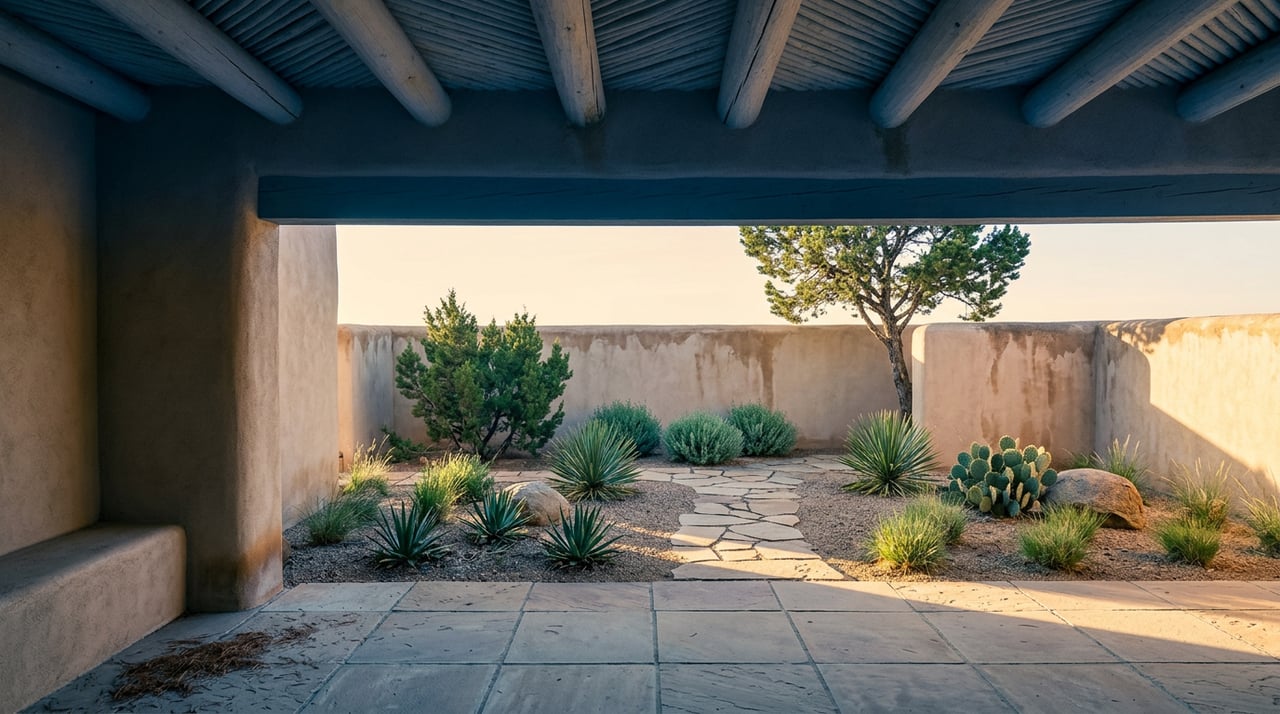
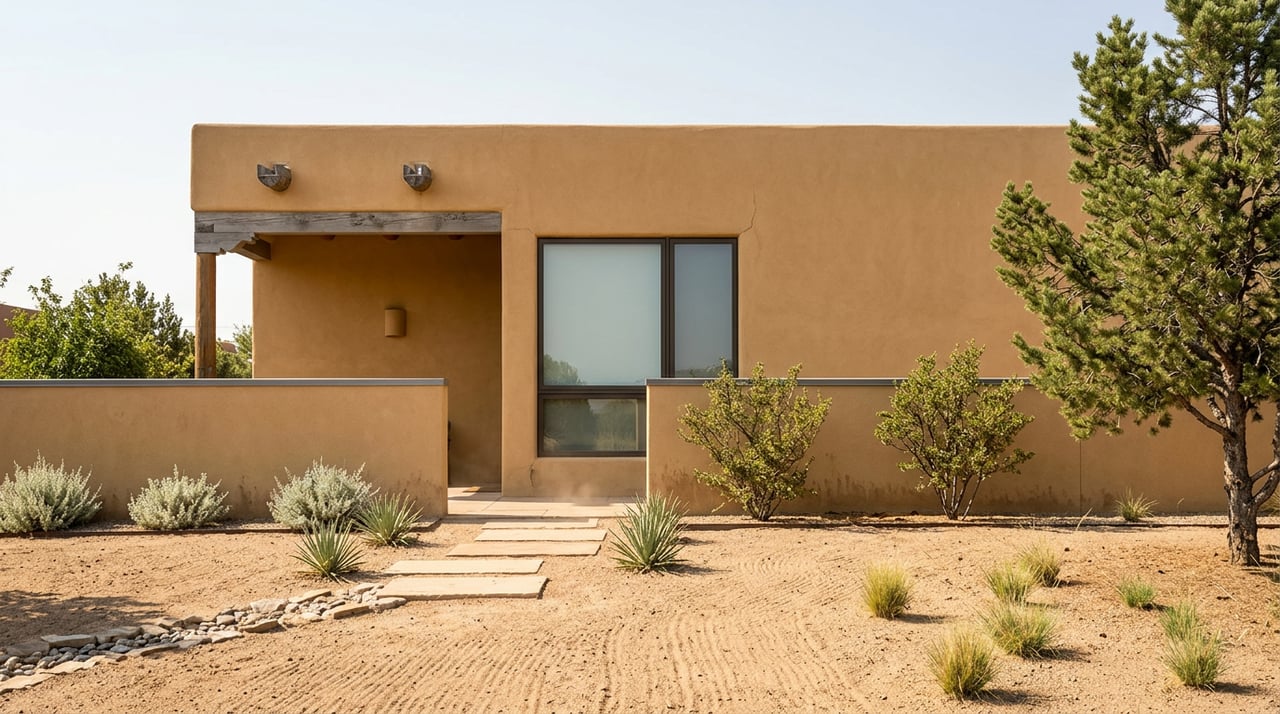
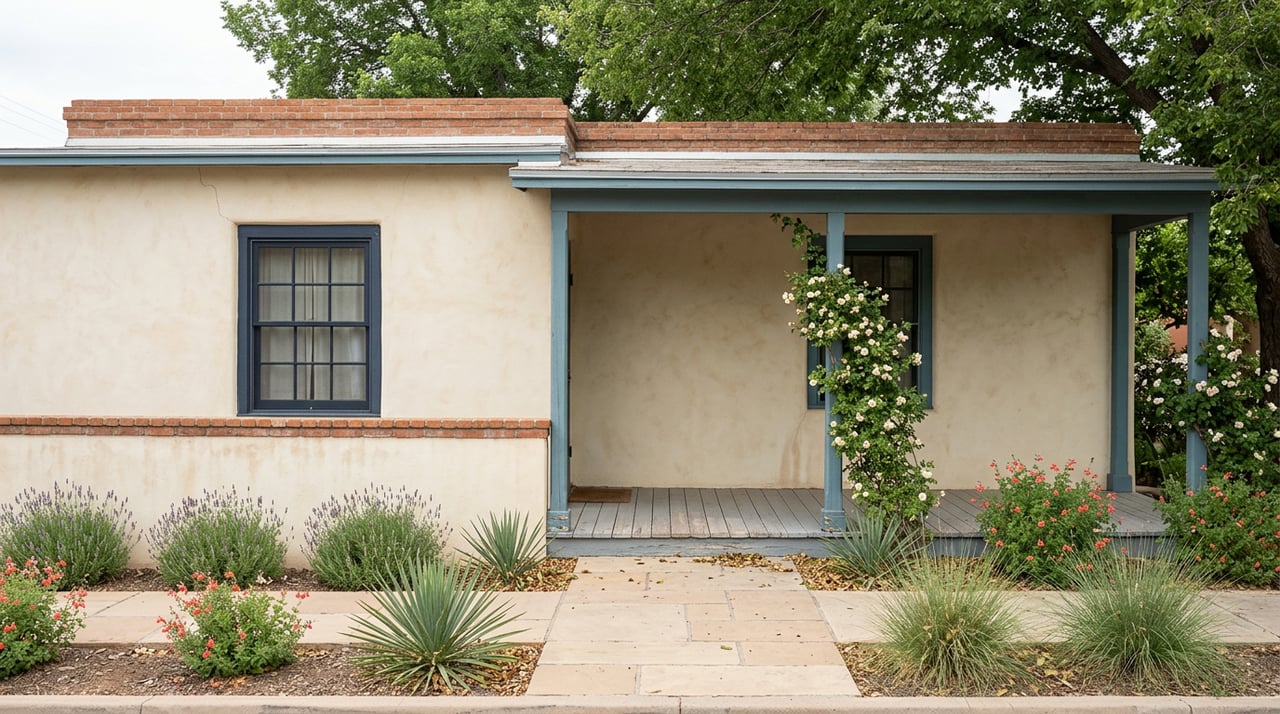
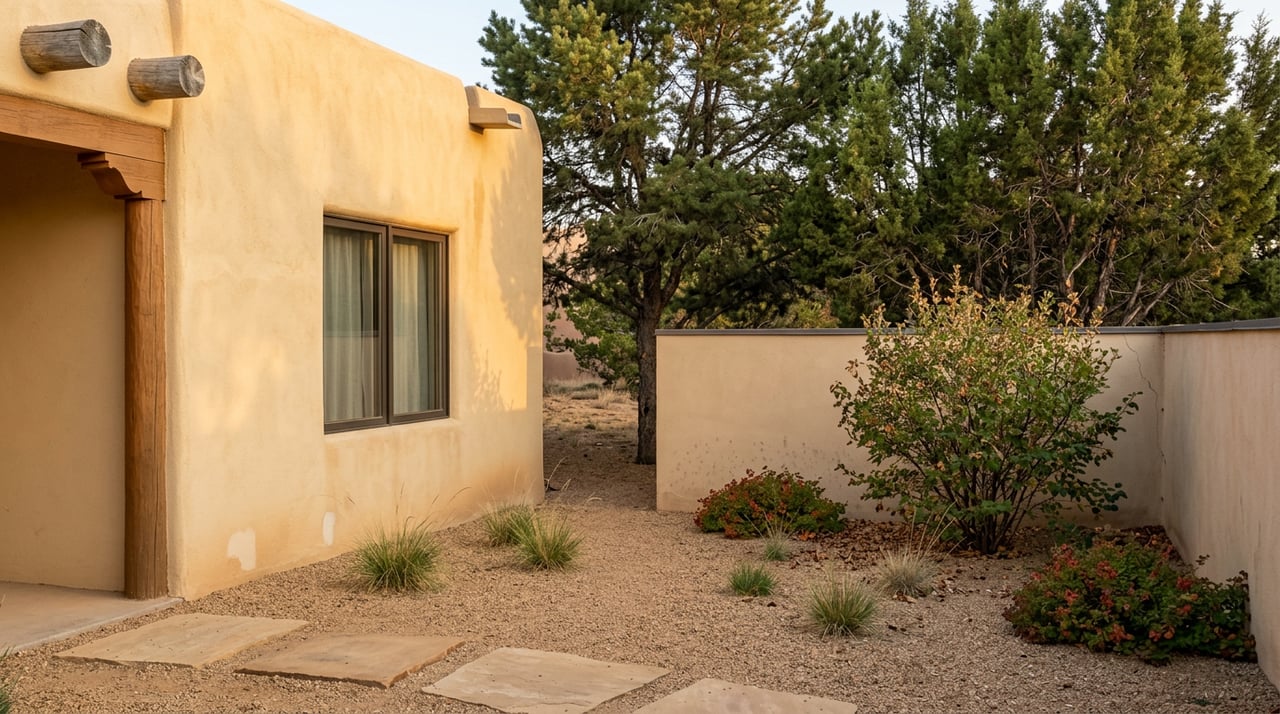
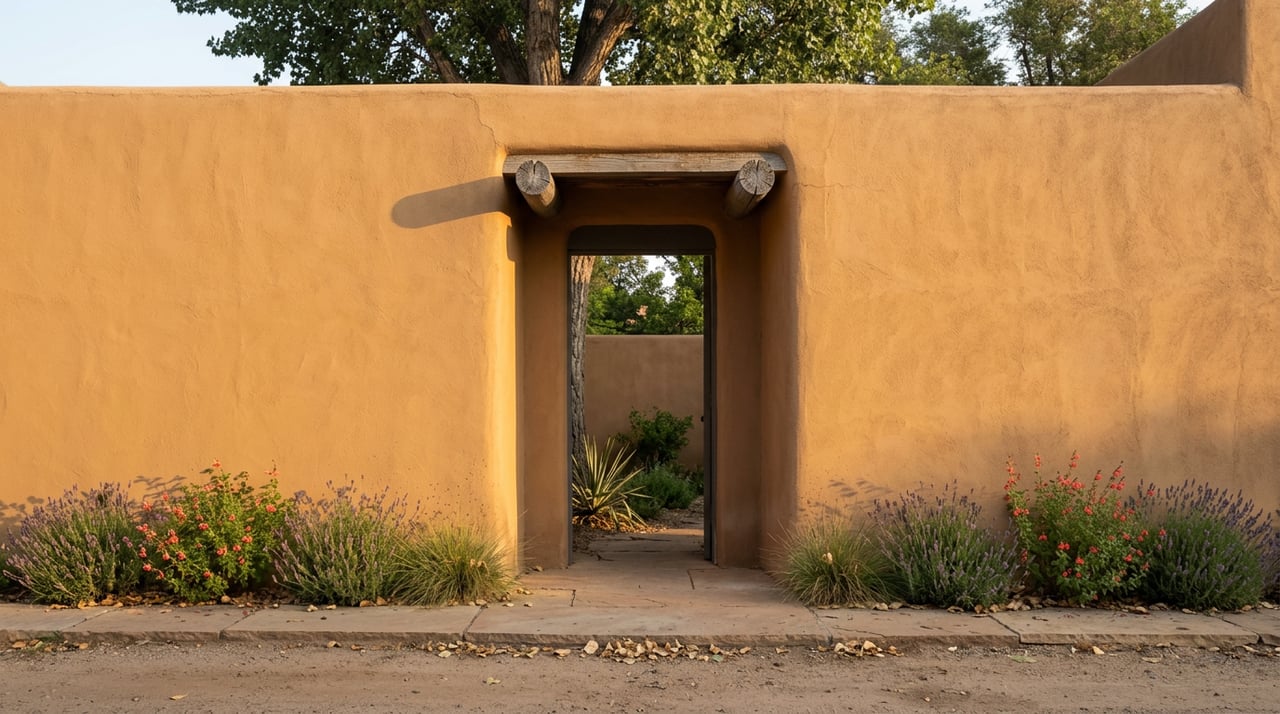
For South Capitol listings, patios, portals, courtyards, and seating areas should be presented as true living spaces. A swept portal, tidy hardscape, simple seating vignette, and well-placed lighting can help buyers understand how the home lives from morning coffee to evening entertaining.
Water-wise landscaping also fits the setting better than anything overly lush or high-maintenance. In this market, outdoor areas should feel polished, practical, and connected to the architecture.
Build a listing narrative with specificity
Generic listing copy rarely does justice to a South Capitol home. Buyers looking in this area are often responding to nuance. They want to understand the home’s era, what has been preserved, how updates were handled, and what daily life there feels like.
The strongest narrative usually answers a few key questions clearly:
- What period or architectural character defines the home?
- Which original or notable features remain?
- How do the interiors connect to outdoor spaces?
- What makes the location convenient for in-town living?
- How does the home reflect Santa Fe rather than any market?
That last point is especially important. In a city where culture, design, and lifestyle drive demand, your listing should explain why the property is a Santa Fe home, not simply a house with a Santa Fe address.
Use pricing discipline, not optimism
Pricing a South Capitol home requires a micro-market view. Broad city averages can provide context, but they do not capture the value of historic setting, walkability, block integrity, or preserved character. Nearby in-town and historic comparables usually matter more than homes in very different parts of the city.
Still, premium pricing only works when the condition supports it. Local reporting has pointed to realistic pricing and move-in-ready presentation as key factors in 2026, and the rise in average days on market reinforces that overpricing carries more risk than it did in a faster market. Buyers at the high end may be willing to pay for distinction, but they also tend to notice deferred maintenance and mismatched expectations quickly.
A smart list price should reflect:
- The home’s location within the South Capitol micro-market
- Historic character and architectural integrity
- Current condition and level of readiness
- Quality of updates and preservation choices
- Outdoor living appeal
- The competitive landscape at launch
In a neighborhood like this, value is rarely just about size. It is about how condition, setting, and character come together.
Follow a longer seller roadmap when possible
If timing allows, a 6 to 18 month runway can help you make better decisions and avoid rushed compromises. This is especially useful if your home needs exterior work, selective repairs, or a more intentional presentation plan. Historic homes often reward patience.
A practical roadmap looks like this:
- Identify any exterior work that may require historic review.
- Complete high-value repairs and visible maintenance first.
- Make cosmetic updates that support character rather than erase it.
- Stage the home only after repairs and refreshes are complete.
- Photograph and launch when the property is fully ready.
- Price for the South Capitol micro-market, not just citywide averages.
This sequence gives you a better chance to enter the market with a clear story and fewer distractions.
Position the home as a lifestyle match
Santa Fe’s broader appeal helps support premium positioning. The city promotes more than 300 restaurants, 12 or more museums, a major art market, extensive trail access, and a mountain escape about 20 minutes from downtown. Those qualities help explain why design-conscious in-town homes attract both full-time residents and second-home buyers.
For South Capitol, your marketing should connect the property to that lifestyle in a grounded way. Focus on authenticity, convenience, architectural detail, and how the home supports everyday living in Santa Fe. Discerning buyers are often looking for a property that feels aligned with the city’s culture and pace, not just one that checks a list of features.
When your preparation, pricing, and storytelling all support that message, the home stands a much better chance of attracting the right audience.
Selling a distinctive South Capitol home takes more than a quick polish and a hopeful list price. It takes local judgment, design sensitivity, and a strategy that respects both the home and the market. If you are thinking about how to position your property for today’s buyers, The Agency Santa Fe can help you create a launch plan that reflects the value of place, presentation, and timing.
FAQs
What makes South Capitol homes appealing to discerning buyers?
- South Capitol homes often appeal to discerning buyers because they combine historic character, in-town location, walkability, and architectural details that feel specific to Santa Fe.
What updates should a South Capitol seller make before listing?
- A South Capitol seller should usually focus on modest, high-impact work such as stucco repair, repainting in an appropriate palette, lighting and hardware updates, landscaping cleanup, and correcting visible deferred maintenance.
What exterior work may need review in South Capitol?
- In Santa Fe historic districts, exterior work visible from the street should be assumed to need review time, with some minor changes handled administratively and more complex work reviewed by the Historic Districts Review Board.
How should a historic South Capitol home be staged?
- A historic South Capitol home should be staged with edited furnishings and clear sightlines so buyers can focus on architectural features, room proportions, and the connection between interior and outdoor spaces.
How should a South Capitol home be priced in today’s market?
- A South Capitol home should be priced using nearby in-town and historic comparables, while also accounting for condition, preserved character, walkability, and current buyer expectations around readiness and value.