Wondering how a Historic Eastside home can feel both timeless and practical? That question comes up often for buyers who love Santa Fe’s architectural character but also want comfort, function, and peace of mind. In Historic Eastside, the answer is usually not about choosing old or new. It is about how thoughtful updates work within a preservation framework that protects what makes the area special. Let’s dive in.
Why Historic Eastside Feels So Distinct
Historic Eastside sits within Santa Fe’s Downtown and Eastside Historic District, one of the city’s five historic districts. The City of Santa Fe’s Historic Preservation Division oversees property modifications here, with some work handled administratively and larger exterior changes reviewed by the Historic Districts Review Board.
That structure matters because the neighborhood’s look is not random. Streets tied to this district include well-known areas such as Canyon Road, Acequia Madre, Camino del Monte Sol, and East Palace Avenue. The result is a setting where residential history and Santa Fe’s cultural core are closely connected.
For you as a buyer, this means the visual consistency of the area is part of the appeal. Homes often retain their original character because exterior changes are expected to fit a defined historic vocabulary. That can help preserve the atmosphere people are drawn to in the first place.
What Gives Eastside Homes Their Charm
A big part of Historic Eastside’s appeal comes from Santa Fe’s distinctive architectural language. The city distinguishes between Old Santa Fe Style and Recent Santa Fe Style, both of which shape what you see throughout the district.
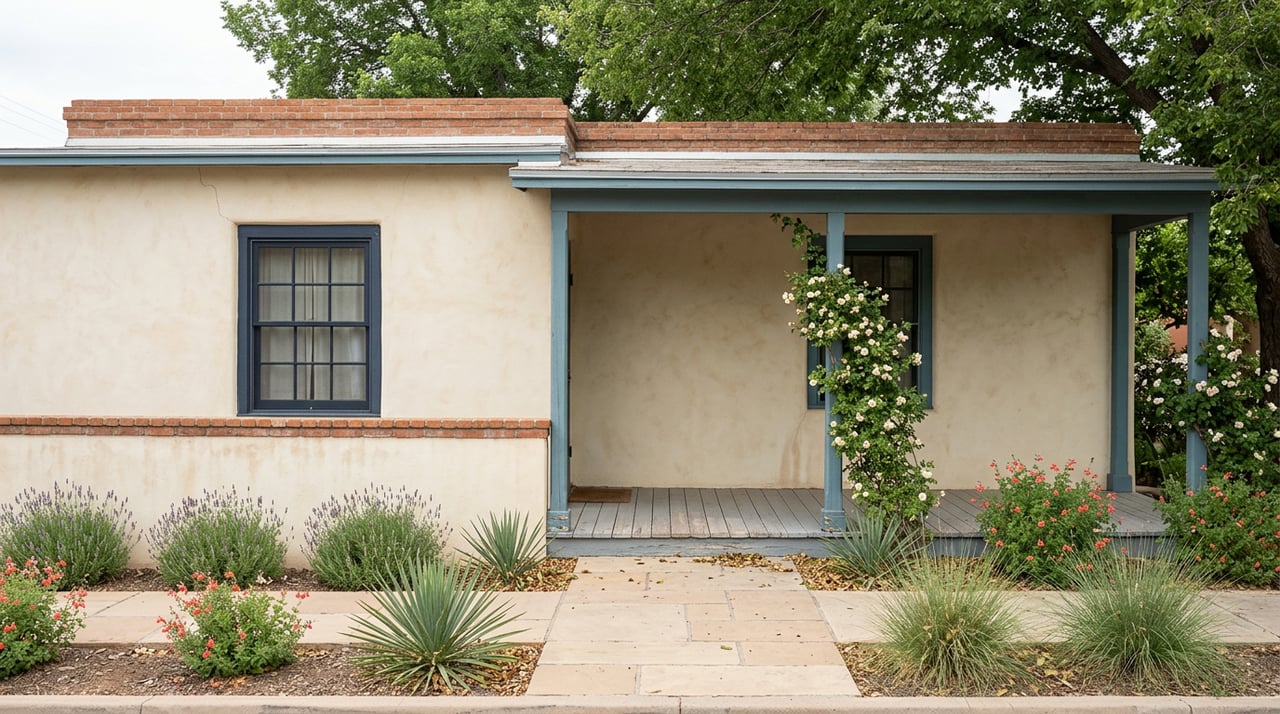
Old Santa Fe Style includes traditional adobe architecture and related expressions such as Pueblo, Pueblo-Spanish, Spanish-Indian, and Territorial influences. Recent Santa Fe Style uses more modern building methods and materials, but it is still intended to harmonize with historic buildings.
Signature Exterior Features
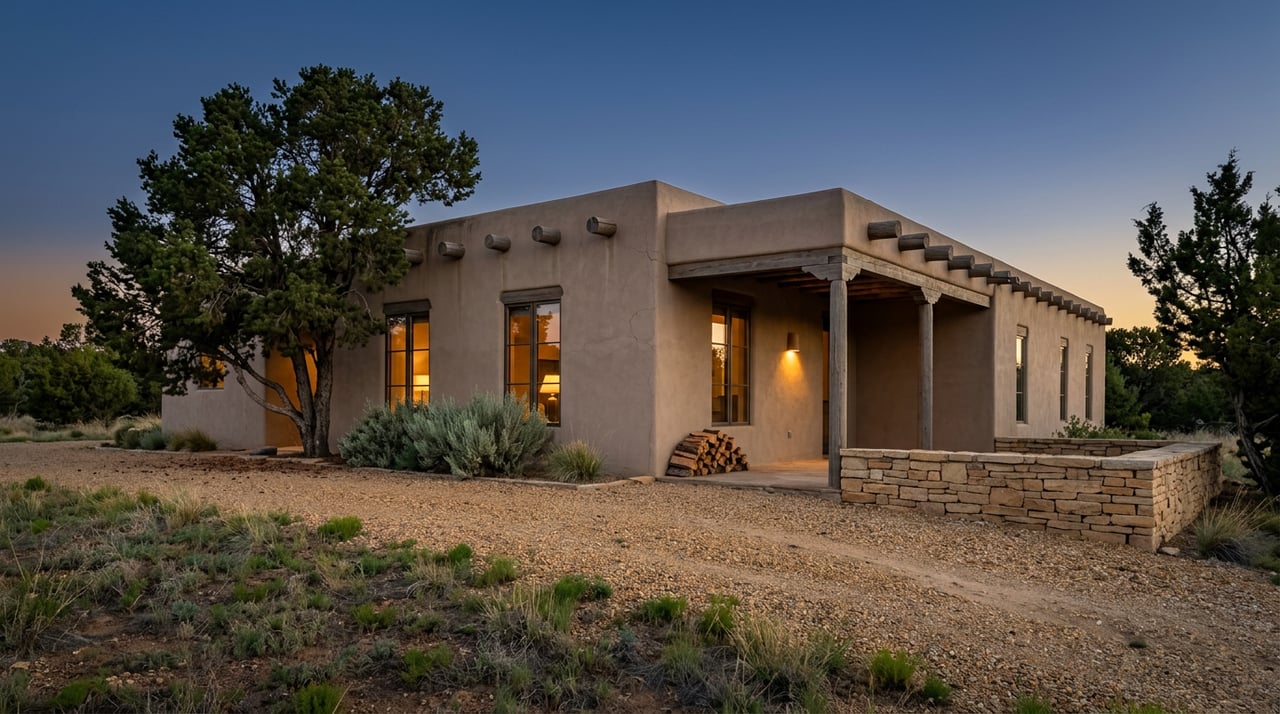
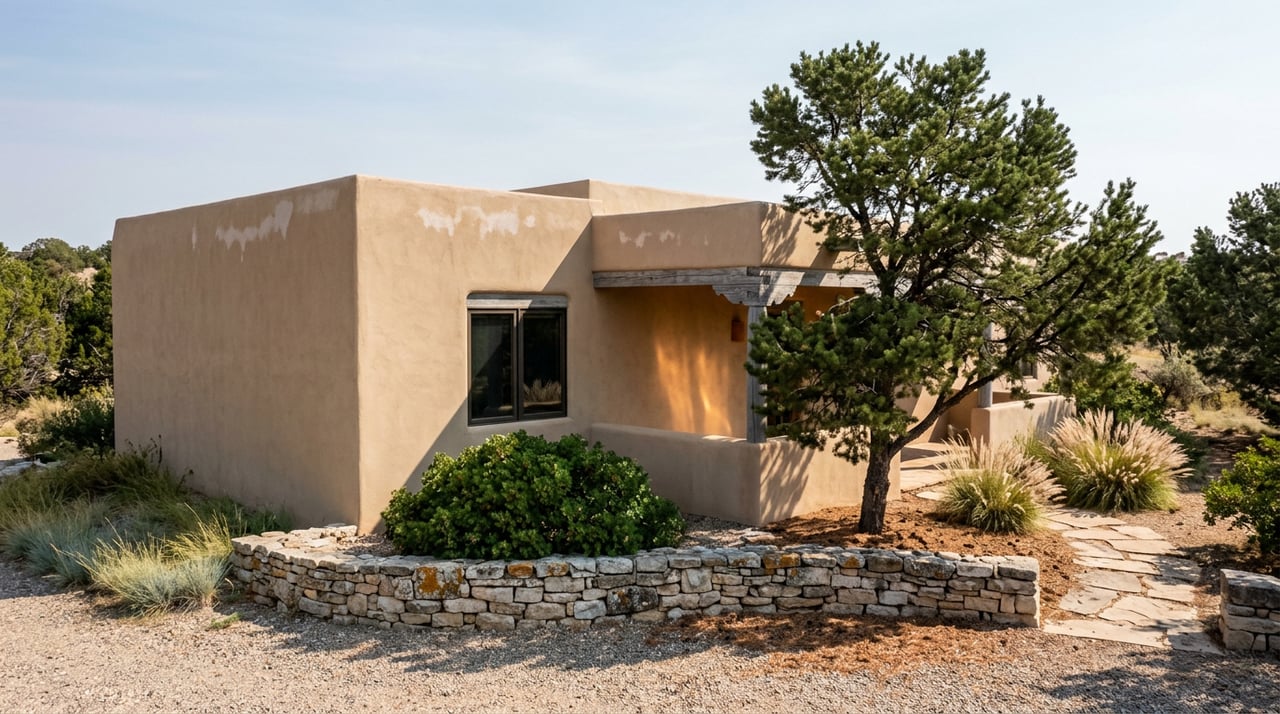
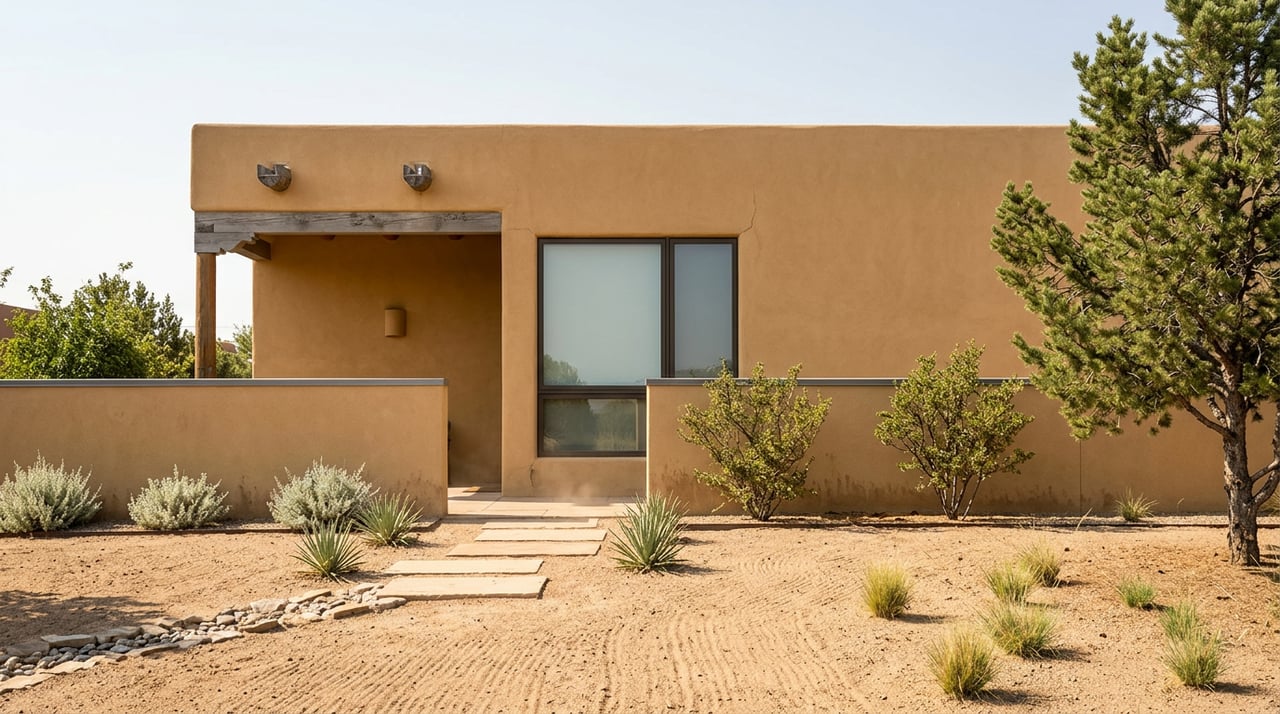
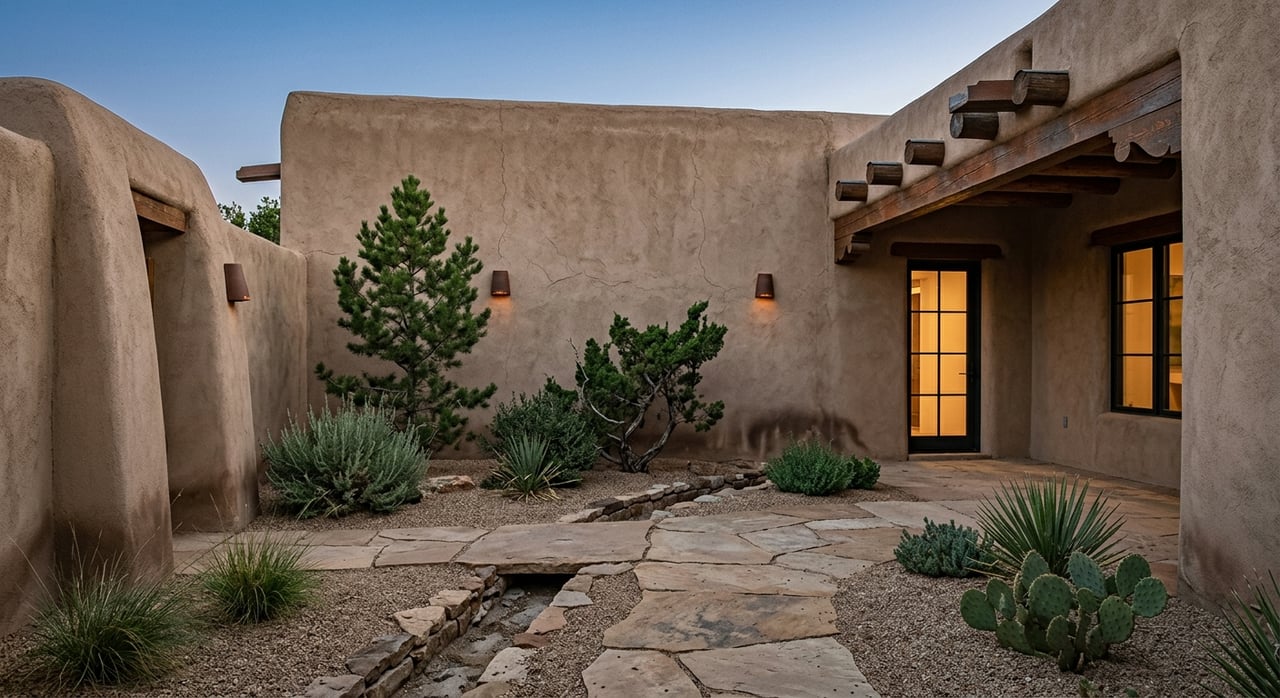
Many Eastside homes share visual elements that feel understated from the street but rich up close. You will often see:
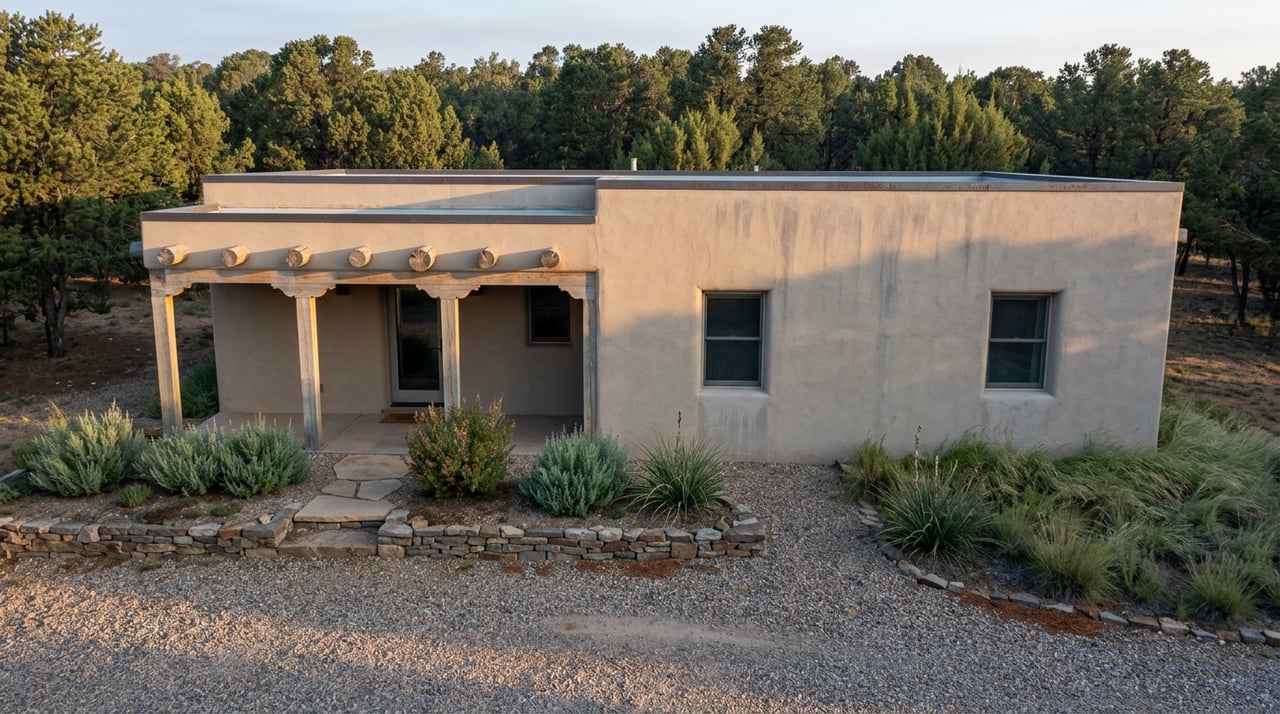
- Low, long forms with flat roofs
- Parapets or firewalls
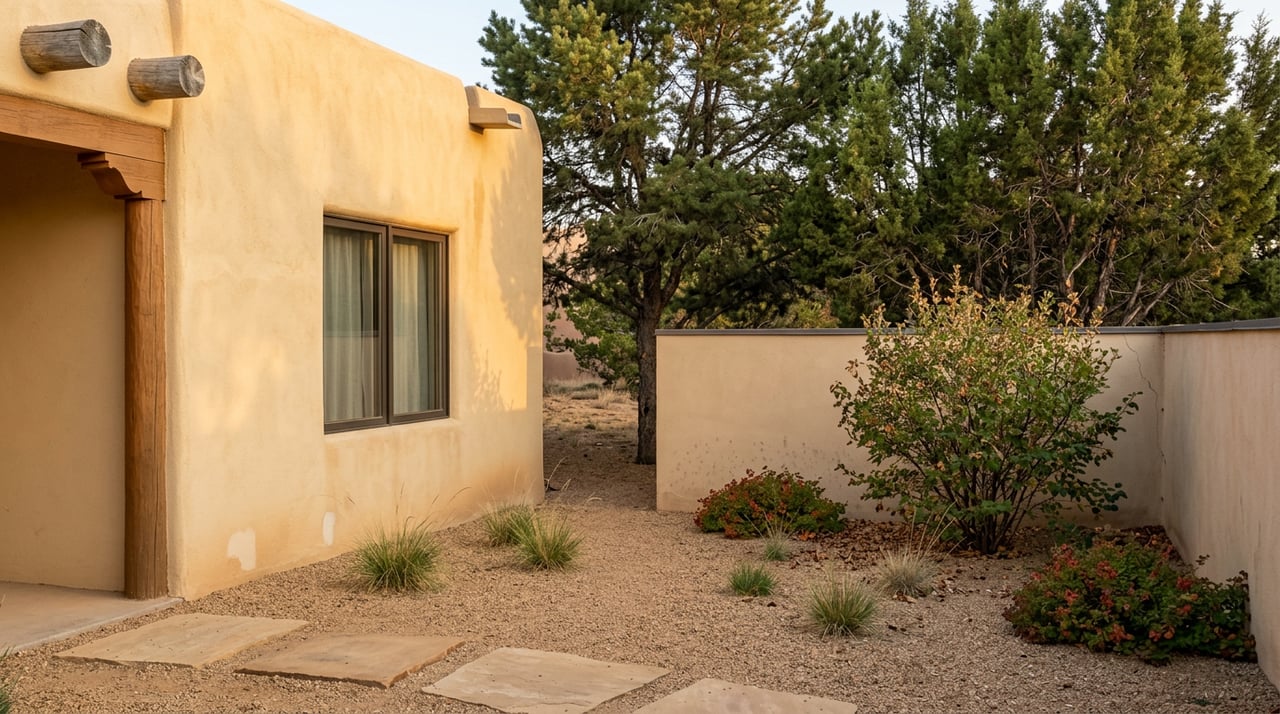
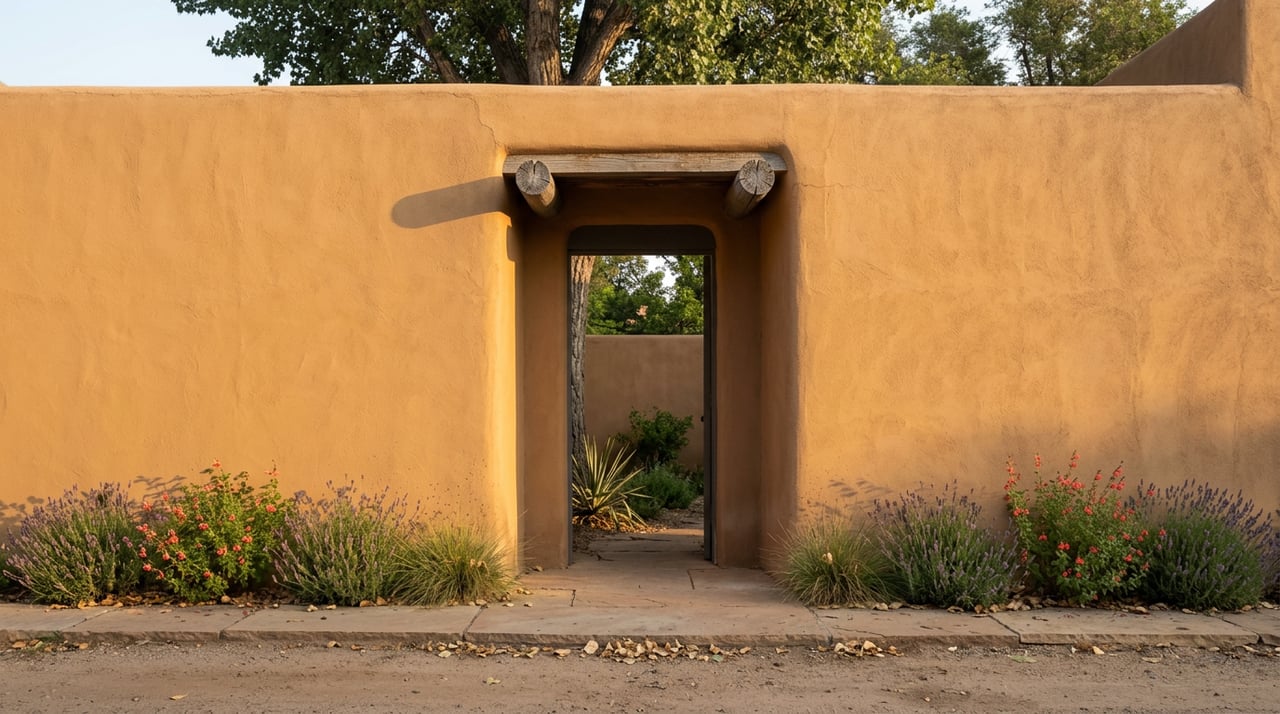
- Portales, vigas, and canales
- Earth-toned exterior finishes with a matte appearance
- Inset windows and doors
- Rounded corners and edges
- Stucco or mud plaster surfaces that create a soft, sculpted look
The city’s handbook also emphasizes wall thickness, façade proportions, and finish consistency. In practice, that means the beauty of these homes often comes from massing, texture, and proportion rather than heavy ornament.
Courtyards and Outdoor Rooms
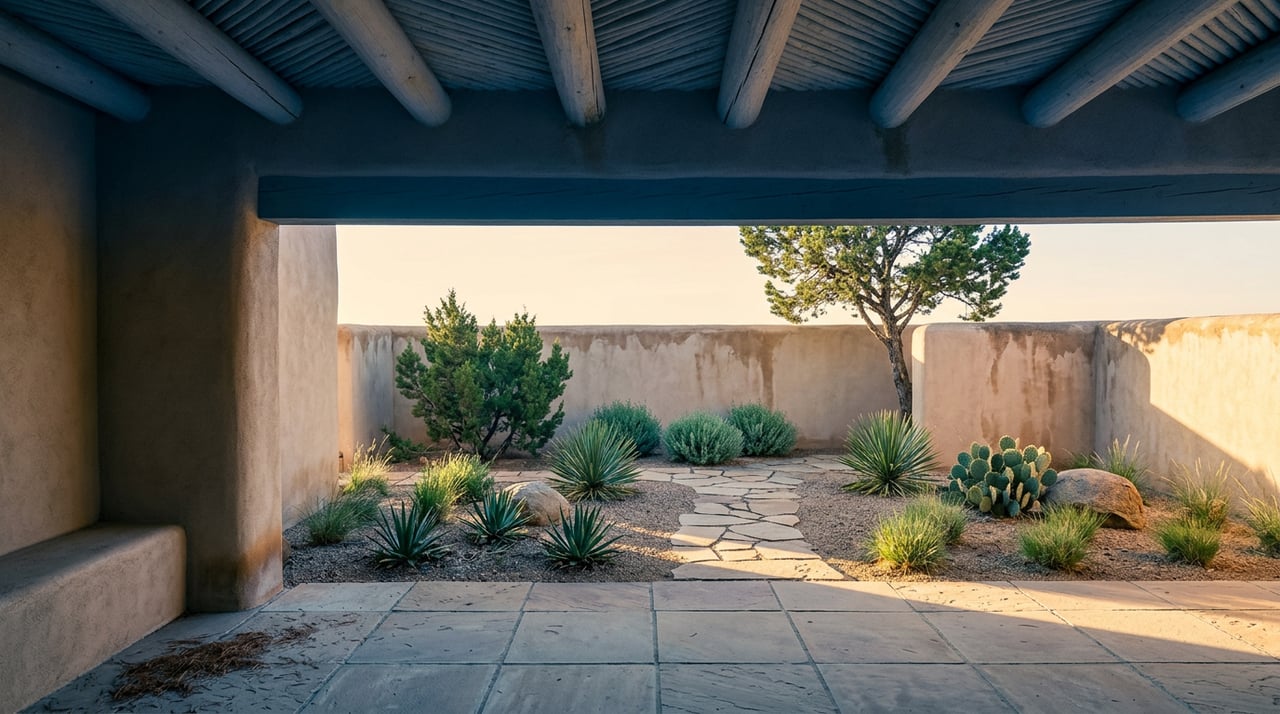
Historic Santa Fe homes were often organized around a central courtyard or patio. That tradition still helps explain why enclosed outdoor space feels so natural in Historic Eastside.
For many buyers, this is one of the neighborhood’s most livable features. A courtyard can create privacy, soften the transition between indoors and outdoors, and add usable living space without changing the essential character of the home.
How Livability Fits Into Historic Character
One of the most interesting things about Historic Eastside is that many homes feel authentic without feeling frozen in time. Santa Fe’s modern historic style evolved in the early 20th century, when Pueblo-Spanish and Territorial forms became a larger part of the city’s identity.
That history helps explain why updated or newer homes in the area can still feel true to place. The city’s standards allow modern construction materials when they simulate the adobe effect and maintain the same general proportions and finish.
In other words, livability improvements are possible. They are simply expected to support the historic appearance rather than replace it.
What That Looks Like in Real Life
A well-updated Eastside home often keeps the historic shell and visual cues while improving day-to-day comfort inside. Rather than a full stylistic reset, the best renovations tend to feel layered and respectful.
The National Park Service notes that original windows, doors, floors, and other details should be retained whenever feasible. At the same time, modern living can justify practical updates such as thermal windows or easier-maintenance flooring, as long as the overall character is handled carefully.
For you, that can mean a home that offers charm and function together. You may find historic textures, traditional forms, and quiet architectural detail paired with more comfortable systems and finishes for contemporary living.
Why the Location Adds to Livability
Historic Eastside is not just about architecture. It is also about how you live in and around the neighborhood.
Canyon Road is a major part of that experience. Official Santa Fe tourism material describes it as a half-mile, tree-lined, pedestrian-friendly corridor with more than 100 galleries, restaurants, and former private homes adapted to arts uses.
Downtown and the Plaza add museums, boutiques, restaurants, and historic sites within the broader center-city fabric. For many buyers, this nearby access is a major reason Historic Eastside feels so compelling.
A Walkable, Cultural Setting
If you want a home that connects you to Santa Fe’s creative and historic energy, Historic Eastside offers a rare combination. You are not looking at a purely residential enclave. You are looking at a neighborhood with a strong sense of place and easy connection to some of the city’s most recognized destinations.
That setting can shape daily life in meaningful ways. Whether you value walkable surroundings, architectural continuity, or a close connection to Santa Fe’s cultural core, the neighborhood offers a lifestyle that is hard to replicate elsewhere.
What Buyers Should Know About Maintenance
Charm comes with responsibility, especially in older adobe or adobe-like homes. Historic Eastside properties can be durable, but they require attention to the materials and methods that make them work.
The biggest practical issue is usually water. National Park Service guidance explains that adobe expands and contracts as water content changes, and moisture is a major cause of deterioration.
That is why upkeep is such a central part of livability here. A beautiful historic home tends to perform best when roof drainage, plaster condition, and compatible repair materials are all handled thoughtfully.
Key Inspection Areas
If you are considering a Historic Eastside home, it is wise to pay close attention to:
- Roof condition and drainage, especially on flat or low-slope roofs
- Plaster or stucco surfaces with bubbling, patching, or separation
- Wall cracks, sagging, or bulging
- Signs of plumbing leaks or condensation
- Prior repairs that use cement-based patches or other incompatible materials
These details matter because certain harder modern materials can work against adobe. According to the National Park Service, Portland-cement or lime mortars and stuccos may crack or contribute to crumbling because they move differently from adobe.
Why Material Compatibility Matters
Not every repair is a good repair in a historic home. A patch that looks clean at first glance may create problems later if it traps moisture or puts stress on surrounding materials.
This is one reason due diligence is so important in Historic Eastside. When a home has been updated with care and compatible materials, it often reflects the kind of stewardship that helps preserve both value and livability over time.
What Renovation Rules Mean for Owners
If you plan to make changes, the city’s review process should be part of your thinking from the start. In Santa Fe’s historic districts, general maintenance and minor alterations may qualify for administrative approval, while larger changes may need review by the Historic Districts Review Board.
That means exterior work is not simply a design decision. It is also a process decision tied to preservation standards.
Common Changes That May Need Review
Depending on the scope, owners should evaluate exterior-facing updates such as:
- Roof work
- Window changes
- Additions
- Exterior finishes
- Other visible alterations
For buyers who appreciate the neighborhood’s character, this can actually be part of the value. The same rules that shape your future plans also help protect the broader setting around your home.
Why Historic Eastside Appeals to Today’s Buyers
Historic Eastside speaks to buyers who want more than square footage. The homes here often offer tactile materials, strong architectural identity, enclosed outdoor living, and a setting connected to Canyon Road, Downtown, and the Plaza.
At the same time, the district allows room for thoughtful modernization. You may not see original adobe in every home, and not every property will have the same level of historic detail. But the area’s standards are designed to keep the overall feel intact, even as homes evolve for current use.
That balance is what makes the neighborhood so compelling. You are often getting a home that feels rooted in Santa Fe’s history while still supporting the way people live today.
If you are considering a purchase here, it helps to look at both the beauty you can see and the systems and stewardship you cannot. In Historic Eastside, charm and livability tend to come together best when architecture, maintenance, and location all work in harmony.
If you’re exploring Historic Eastside or looking for a home with architectural depth and everyday comfort, The Agency Santa Fe can help you evaluate the details with local insight and a thoughtful, design-minded approach.
FAQs
What makes Historic Eastside homes look so uniquely Santa Fe?
- Historic Eastside homes often reflect Old Santa Fe Style or Recent Santa Fe Style, with features like flat roofs, parapets, vigas, earth-toned finishes, inset openings, and sculpted stucco or plaster surfaces.
Can you modernize a Historic Eastside home in Santa Fe?
- Yes, but exterior updates are expected to harmonize with the historic character of the district, and some changes may require city review before work begins.
Are all Historic Eastside homes in Santa Fe made of adobe?
- No. The district allows compatible modern materials and Recent Santa Fe Style construction, as long as the home maintains the adobe-like effect, proportions, and finish expected in the area.
What should buyers inspect in a Historic Eastside home?
- Pay close attention to roof drainage, stucco or plaster condition, wall movement, plumbing or condensation issues, and whether past repairs used materials compatible with adobe construction.
Why do courtyards matter in Historic Eastside homes?
- Courtyards reflect a long-standing Santa Fe residential tradition and can add privacy, outdoor living space, and a strong indoor-outdoor connection that supports everyday livability.
How do historic district rules affect Eastside homeowners in Santa Fe?
- Owners may need administrative approval or Historic Districts Review Board review for certain exterior changes, which helps preserve the neighborhood’s overall character and visual continuity.