Are you considering the Railyard for your next Santa Fe investment, but wondering whether the lifestyle appeal translates into a smart buy? That is a fair question, especially in a neighborhood where history, walkability, and cultural energy all shape value in different ways. If you are weighing a second home, live-work property, or income-producing purchase, understanding the tradeoffs matters. Let’s take a closer look at what makes the Railyard area compelling, and where careful due diligence becomes essential.
Why the Railyard Stands Out
The area many buyers call the Railyard is officially part of the Westside-Guadalupe Historic District. City heritage materials place it between Guadalupe Street, St. Francis Drive, Paseo de Peralta, and Manhattan Avenue, and real estate data may label it as either Historic Guadalupe or West Guadalupe Historic.
What gives this district its draw is not one landmark, but a concentration of uses that support daily life and year-round activity. You have the Santa Fe Depot as the Rail Runner’s northern terminus, plus the broader Railyard redevelopment with the farmers market, Railyard Park, galleries, museums, restaurants, pubs, live music, festivals, and regular events.
For many buyers, that mix creates a version of Santa Fe living that feels unusually connected and convenient. You can prioritize walkability, cultural access, and design character without depending on a car for every outing.
What the Neighborhood Feels Like
This is not a master-planned district with one uniform housing style. The neighborhood grew from clusters of Hispanic farms that were later subdivided into long, narrow parcels shaped by the acequia system, and that layered history still affects the built environment today.
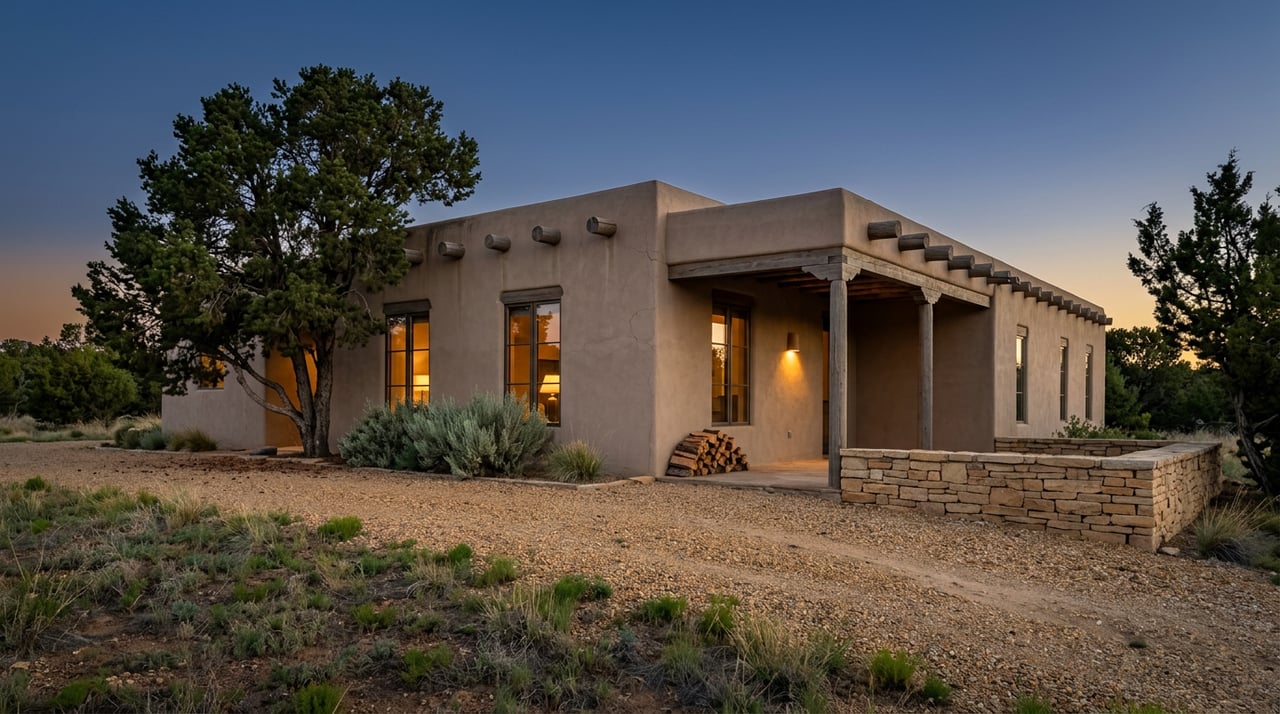
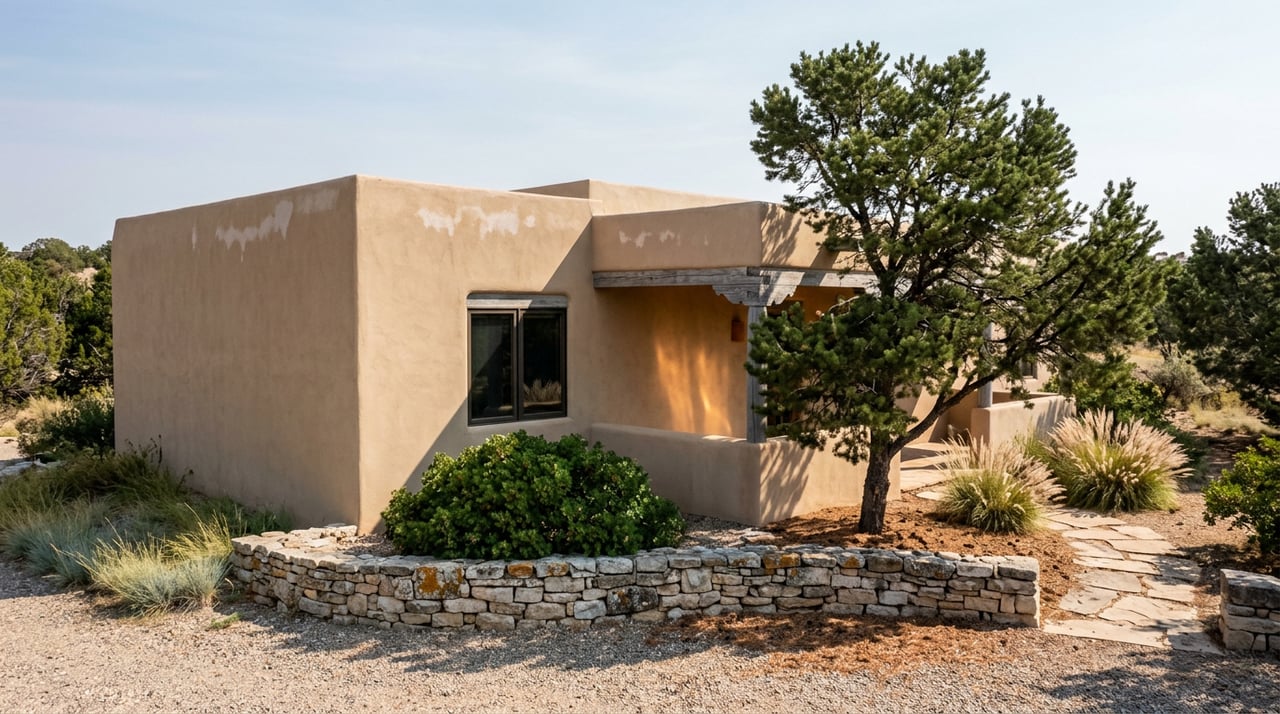
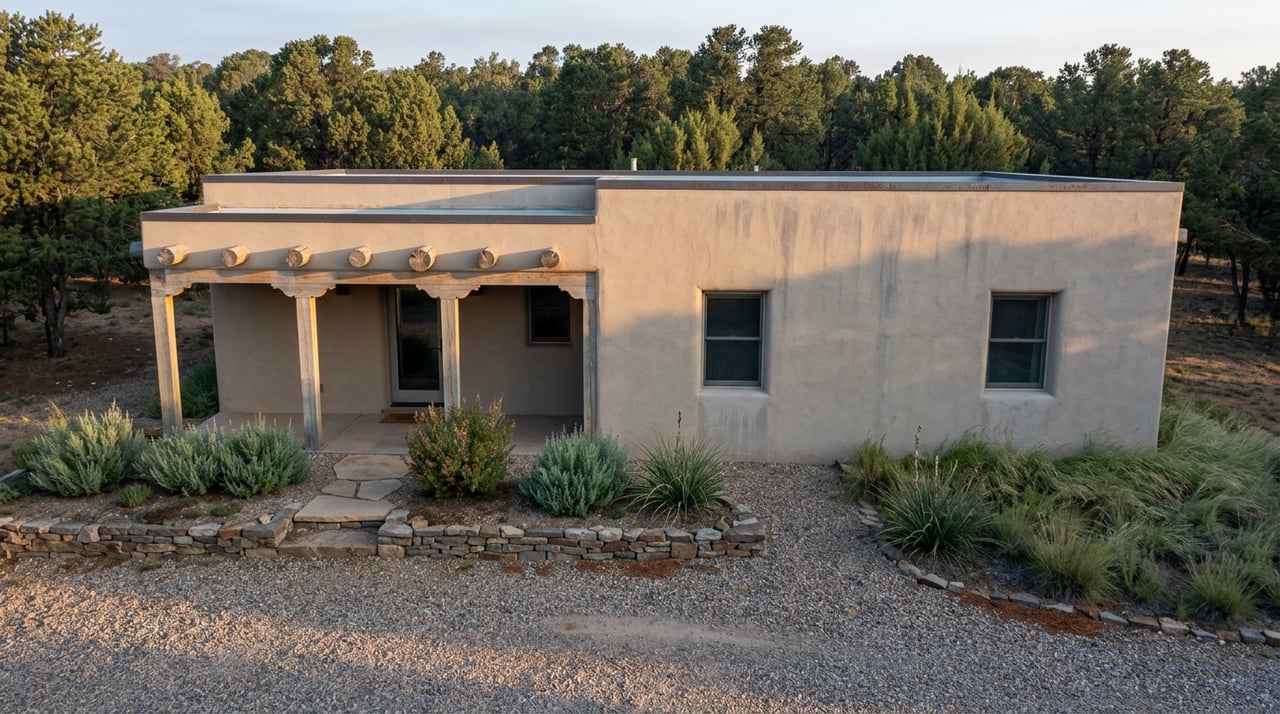
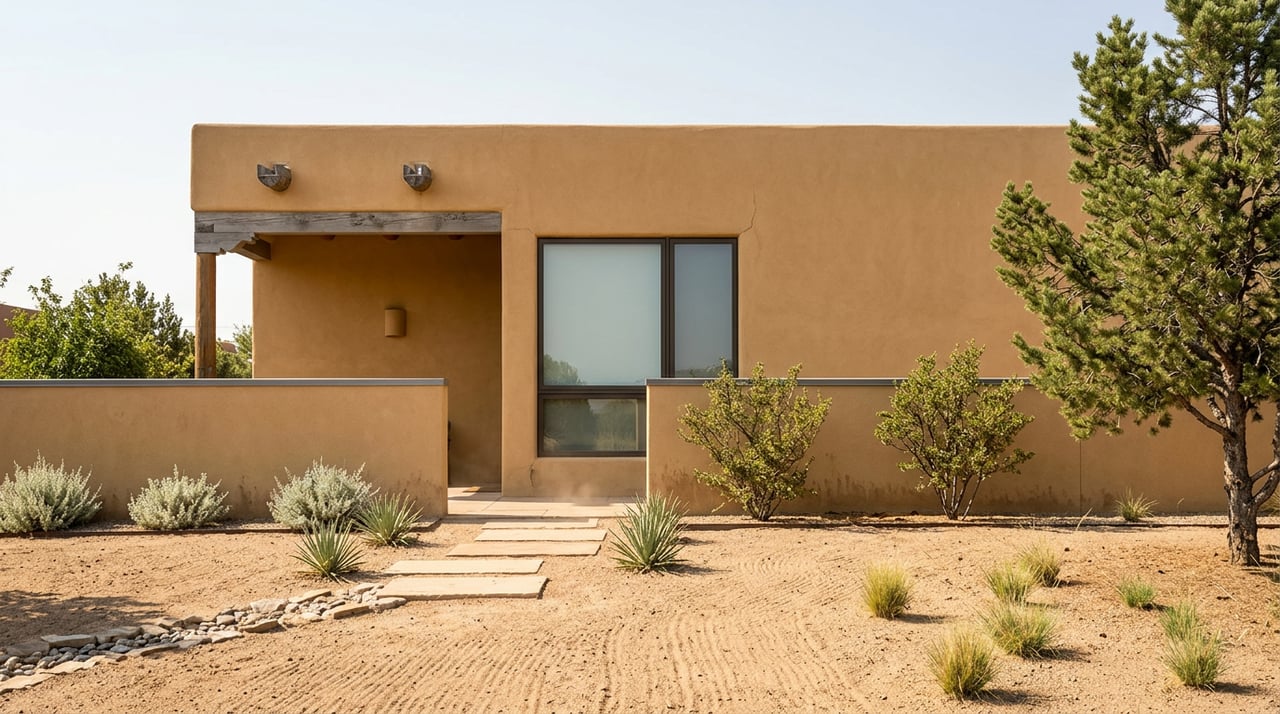
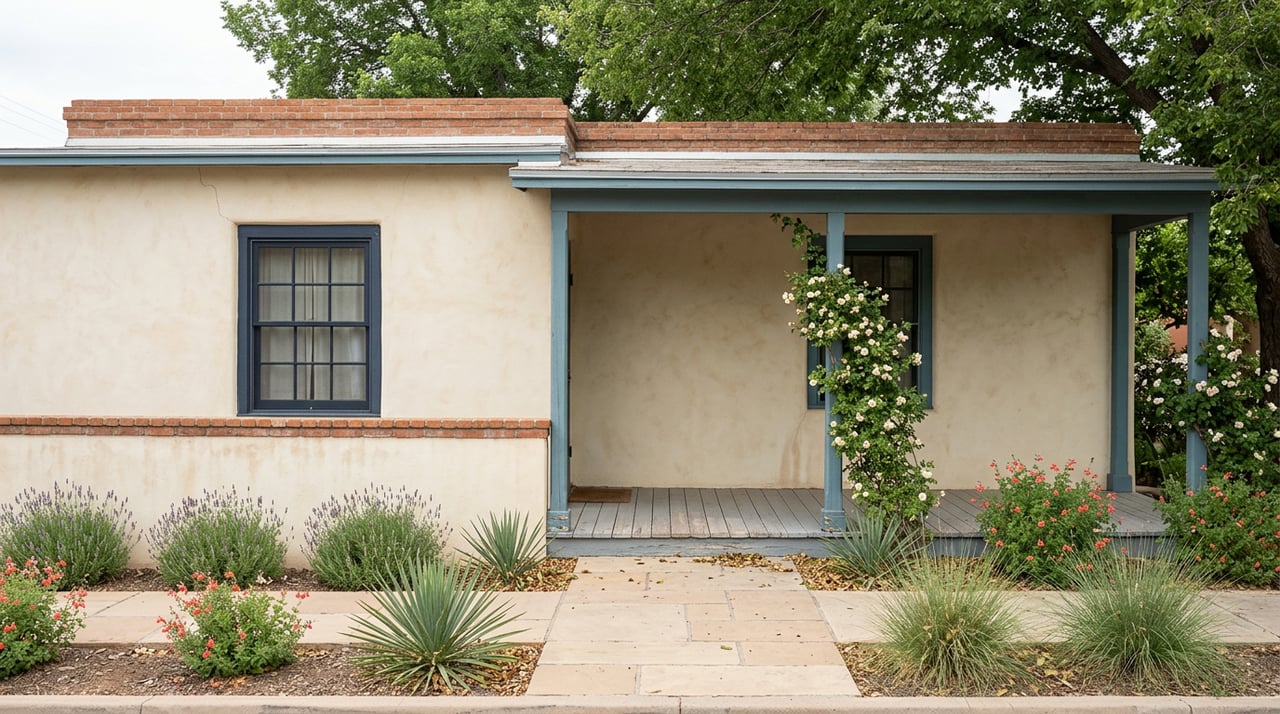
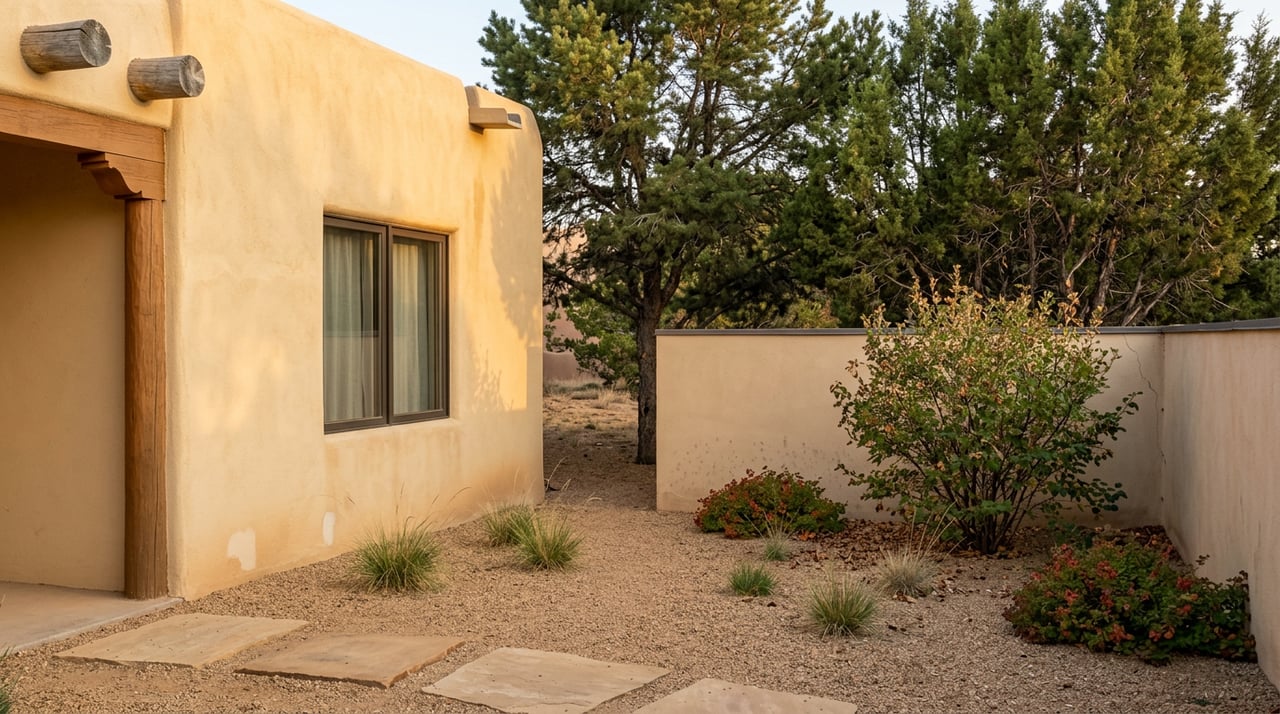
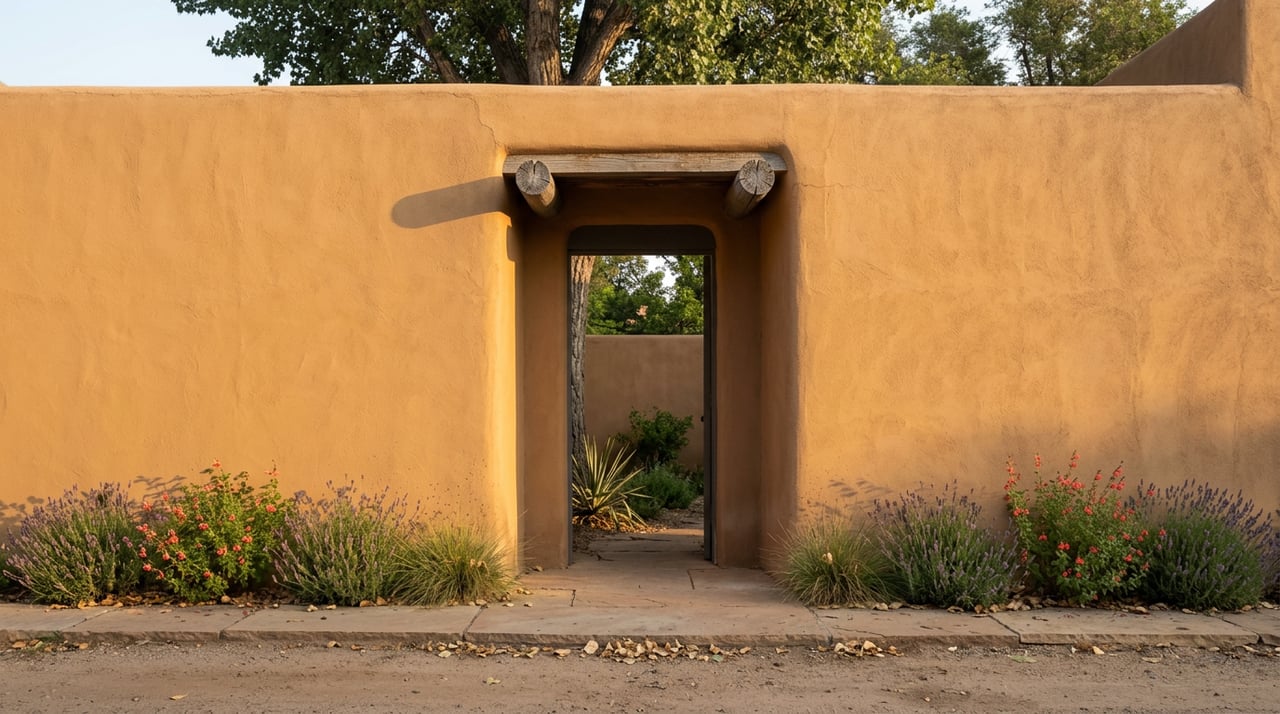
You will see modest adobe homes alongside later railroad-influenced Spanish-Pueblo Revival and Territorial Revival buildings. That variety is part of the appeal, especially if you are drawn to properties with texture, architectural story, and a sense of place.
The district also includes a mix of housing types. Depending on the block and building, you may encounter historic houses, condos, attached residences, apartments, lofts, and some live-work or artist-oriented spaces.
Investment Appeal Starts With Scarcity
One of the clearest signals in this area is limited inventory. Historic Guadalupe shows a median listing price of about $845,000 with 115 days on market, while the immediate West Guadalupe Historic data set shows only three homes for sale and two rentals.
That matters because thin inventory can support long-term desirability, but it can also make your search more selective. In a neighborhood like this, the right property may not appear often, and when it does, the fit of the asset matters just as much as the price.
Compared with other central Santa Fe neighborhoods, Guadalupe sits in an interesting middle ground. It is more accessible than some of the city’s highest-priced historic enclaves, yet still benefits from central location, strong lifestyle appeal, and constrained supply.
Rent Signals to Know
If you are evaluating income potential, current asking rents in Historic Guadalupe show a wide range. Recent listings include a 700-square-foot one-bedroom house at $1,675, a 1,280-square-foot two-bedroom house at $3,893, one-bedroom apartments around $2,550 to $3,000, and two-bedroom options roughly between $2,250 and $3,650.
There are also lower studio and one-bedroom asking figures in some apartment inventory, including examples around $1,620 and $1,701 at 250 Closson Street. In short, rent potential here varies significantly based on property type, size, condition, finish, and whether the home offers a more historic or more modern living experience.
It is also useful to compare those asking rents with broader market context. Santa Fe’s citywide median rent is about $1,792 per month, while the 87501 ZIP code is higher at about $2,284 and 87505 is about $1,825.
Long-Term vs Short-Term Strategy
This is where many investment decisions in the Railyard become more nuanced. If your goal is a straightforward, high-turnover short-term rental model, this neighborhood may be more complex than it first appears.
Santa Fe defines a short-term rental as a dwelling unit rented for less than 30 calendar days. The city requires a business registration and, depending on zoning, either a residential STR permit or a non-residential STR registration.
The current rules also include several operational limits:
- Residential STRs are capped at 1,000 permits citywide
- Residential permits are limited to one per natural person
- Residential STRs must maintain 50-foot spacing
- Buildings with four or more units are capped at 25 percent STR use
- A local operator must be able to respond within one hour
- Residential units are limited to one rental in any seven-day period, except from November 15 to January 15
- Permits expire on December 31 each year
- Renewals run from January 1 through April 15
- New applications open April 15 at 5 p.m.
On top of that, state gross receipts tax and city lodgers’ tax apply. Those layers do not make short-term rental ownership impossible, but they do add friction that buyers should understand before making income projections.
Why Mid-Term Rentals May Be Easier
For some buyers, a furnished monthly or mid-term rental strategy may be a more workable path than high-turnover nightly stays. That is not a guarantee of performance, but it is a practical takeaway from the city’s permit cap, spacing rules, renewal cycle, and operating limits.
In other words, the Railyard can be a strong fit if you want personal use first and some income flexibility second. It may be a weaker fit if you are seeking a simple, mostly passive short-term rental model.
Building Rules Can Narrow Your Options
Even in a walkable, high-demand location, not every property can be used the same way. Some buildings and communities have their own restrictions that go beyond city rules.
A good example is Railyard Flats at 701 Camino de la Familia. It is described as modern apartment housing directly on the Rail Trail and Railyard Park, with amenities such as bike storage, balconies, and reserved parking, but posted community rules say it does not allow subleasing or vacation rentals.
That example is important because it shows how some of the district’s most appealing, lock-and-leave properties may be geared toward long-term occupancy rather than short-term turnover. If you are buying for income, condo documents, HOA rules, parking requirements, and covenant restrictions should be reviewed early.
Historic Status Changes the Math
In the Westside-Guadalupe Historic District, exterior improvements are not just a design decision or budget line item. They are also part of a review process.
Santa Fe’s Historic Preservation Division requires an application for modifications within the city’s historic districts. Projects that cannot be approved administratively go before the Historic Districts Review Board, which evaluates compliance with the historic-district ordinance and seeks harmony in style, form, color, height, proportion, texture, and material.
For an investor, that means renovation timelines and project scope may look different here than in a non-historic neighborhood. If your strategy depends on fast exterior changes or major visual updates, you should factor the review process into both timeline and budget.
Who the Railyard Fits Best
The strongest buyer profile for this area is often someone who values lifestyle, architecture, and neighborhood experience as much as raw yield. If you want a home that supports seasonal living, visiting family, walkable days, and easy access to the Rail Runner, farmers market, galleries, and parks, the Railyard can be a compelling choice.
It can also suit a design-minded buyer who appreciates historic context and is comfortable with a more selective, rules-based ownership environment. In that case, the property is not only an asset. It is also a place to use, enjoy, and hold with intention.
The weaker fit is usually the buyer looking for a friction-free investment property with easy short-term rental turnover. In this district, success depends less on broad assumptions and more on careful property-by-property analysis.
A Smarter Way to Evaluate a Purchase
If you are serious about buying in the Railyard, treat each opportunity as its own case study. Two properties a few blocks apart can have very different potential depending on historic status, building rules, parking, layout, and rental eligibility.
Before you underwrite income, confirm the fundamentals:
- Zoning and permitted use
- Historic district status and approval requirements
- HOA or condo restrictions
- Covenant limitations
- Parking realities
- Short-term rental eligibility, if relevant
- Whether the property is better suited for personal use, long-term tenancy, or mid-term rental use
That kind of diligence is what helps you avoid buying a great-looking property that does not support your actual goals.
The Bottom Line on Railyard Investing
The Railyard is one of Santa Fe’s most engaging central districts because it combines history, culture, walkability, and transit access in a way that feels rare for the city. Inventory is limited, rents can be strong, and the neighborhood offers a lived-in sense of place that appeals to both local and out-of-state buyers.
But this is not a plug-and-play investment zone. Historic review, building restrictions, and Santa Fe’s short-term rental rules mean the best opportunities usually go to buyers who value the neighborhood experience and who verify the details before they commit.
If you are looking for a purchase that blends Santa Fe lifestyle with thoughtful long-term potential, the Railyard may be the right fit. If you want help evaluating whether a specific property matches your goals, The Agency Santa Fe can guide you through the details with a local, design-minded perspective.
FAQs
Is the Railyard in Santa Fe a good place for a second-home investment?
- It can be, especially if you value walkability, cultural amenities, and personal use alongside potential income, but each property should be evaluated for rental rules and ownership constraints.
Are short-term rentals allowed in the Railyard area of Santa Fe?
- Some properties may qualify, but Santa Fe regulates rentals under 30 days with permit caps, spacing rules, operating requirements, tax obligations, and building-specific restrictions that can limit use.
What types of properties are common in West Guadalupe Historic?
- The district includes historic adobe homes, railroad-influenced revival buildings, condos, apartments, lofts, attached residences, and some live-work or artist-oriented spaces.
Do historic district rules affect renovations in West Guadalupe Historic?
- Yes, exterior modifications in Santa Fe historic districts require review, and some projects may need approval through the Historic Districts Review Board.
Is the Railyard better for long-term rentals or short-term rentals?
- Based on current city rules and some building restrictions, many buyers may find long-term or mid-term rental strategies easier to operate than high-turnover short-term rentals.
Why is inventory in the Railyard area so competitive?
- The immediate West Guadalupe Historic area has very limited for-sale and rental inventory, which makes the market thin and can make well-positioned properties harder to find.