Selling a Historic Eastside adobe is rarely about quick cosmetics. In Santa Fe’s historic core, the details that make a home special are often the same details that require the most care. If you are preparing an adobe home for market, a thoughtful plan can help you protect its character, avoid costly missteps, and present it with confidence. Let’s dive in.
Understand Historic District Rules First
In Santa Fe, the Historic Eastside and Canyon Road area sits within the Downtown and Eastside Historic District, which includes downtown as well as the Canyon Road, Acequia Madre, Camino del Monte Sol, and East Palace Avenue neighborhoods. According to the Historic Districts Handbook, this district contains much of Santa Fe’s oldest and best-preserved Spanish-Pueblo, Territorial, and revivalist architecture.
That matters when you are getting ready to sell. In this district, exterior authenticity is not just aesthetic. It is part of how the city evaluates changes, repairs, and additions.
Know what needs approval
Santa Fe requires pre-approval for exterior work in the historic districts through the Historic Preservation Division. The city explains that historic preservation review may be handled administratively for general maintenance and minor alterations, while projects outside that scope may go before the Historic Districts Review Board.
Even small pre-list projects can trigger review if they affect the exterior. The city specifically calls out work such as roofing, window replacement, solar panels, mechanical equipment, and re-stuccoing as categories that may require review and, in many cases, permits.
Budget time and fees wisely
If you are considering any exterior updates before listing, it helps to know the process upfront. The city’s current preservation page notes a $75 pre-application onsite visit and $100 for maintenance, repair, or other administrative approvals. HDRB hearings are charged at 0.05% of construction cost, with a $250 minimum and $2,000 maximum.
For sellers, the takeaway is simple: do not promise yourself a fast exterior refresh until you have confirmed what approvals may be needed.
Preserve Character Before You Modernize
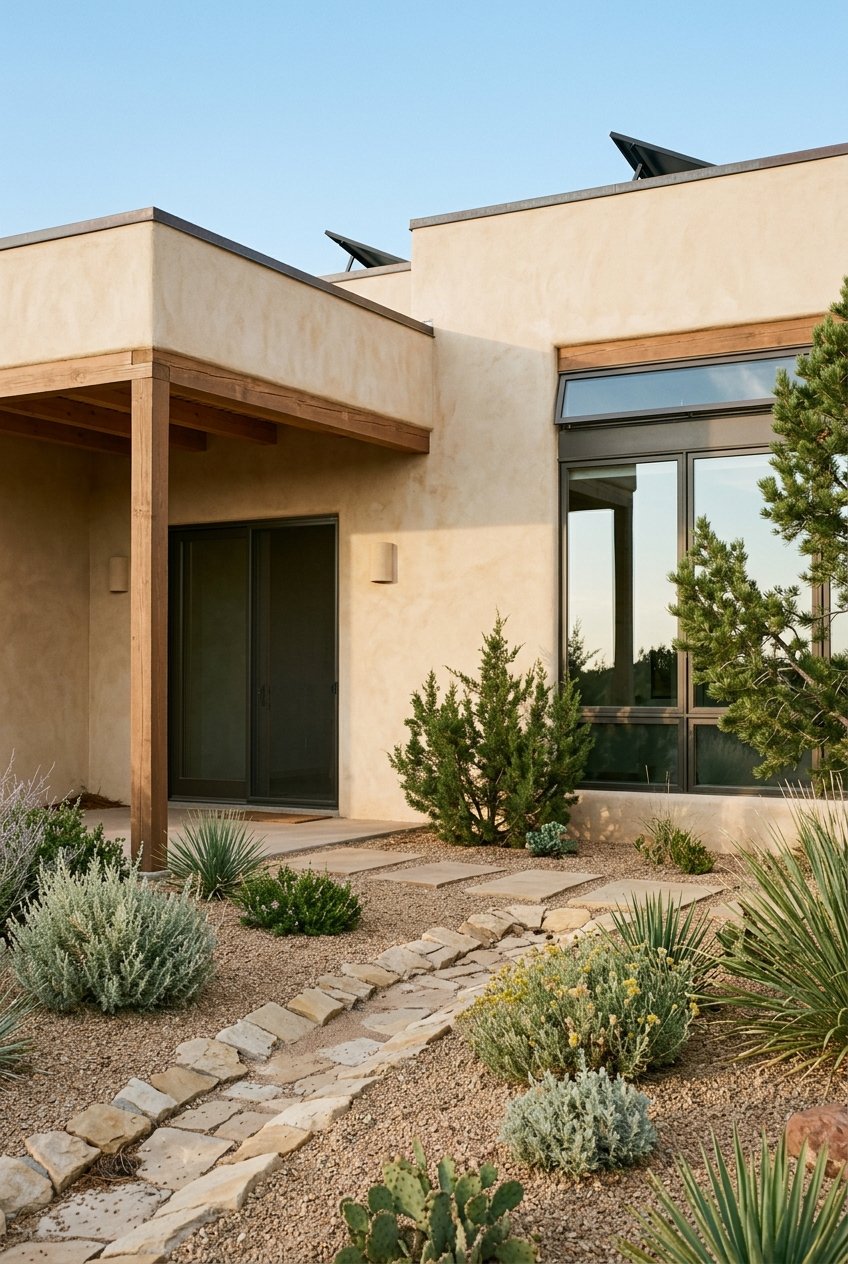
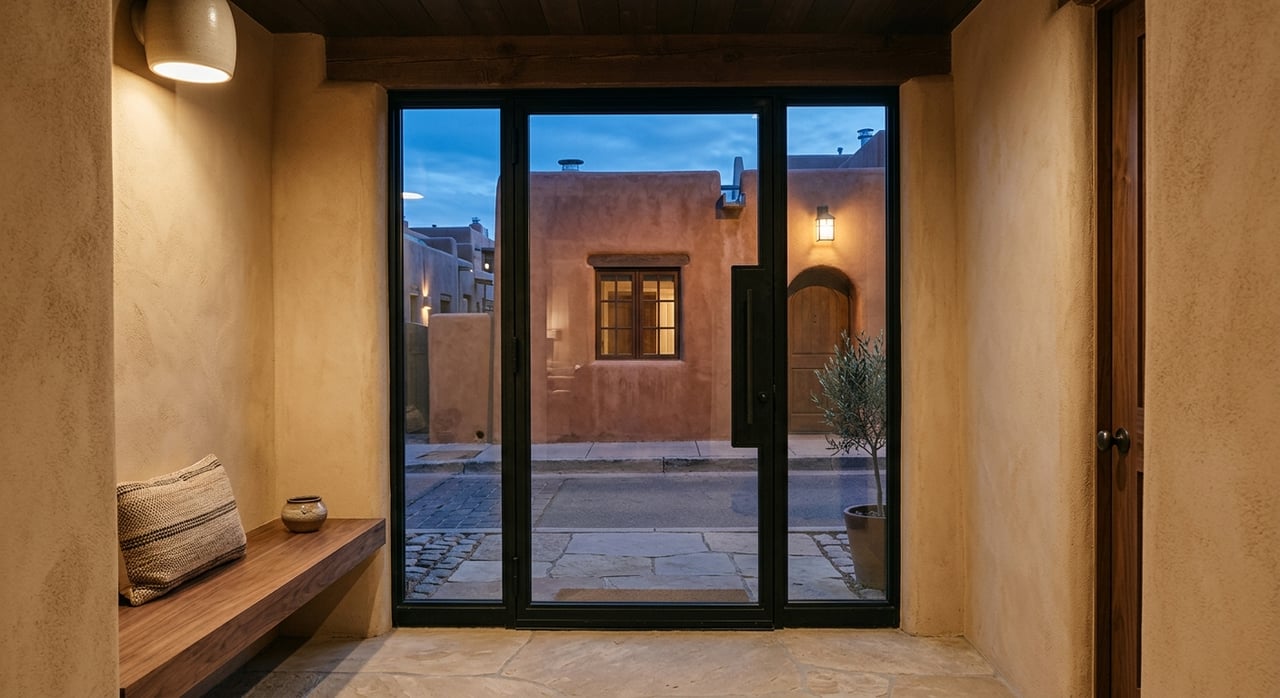
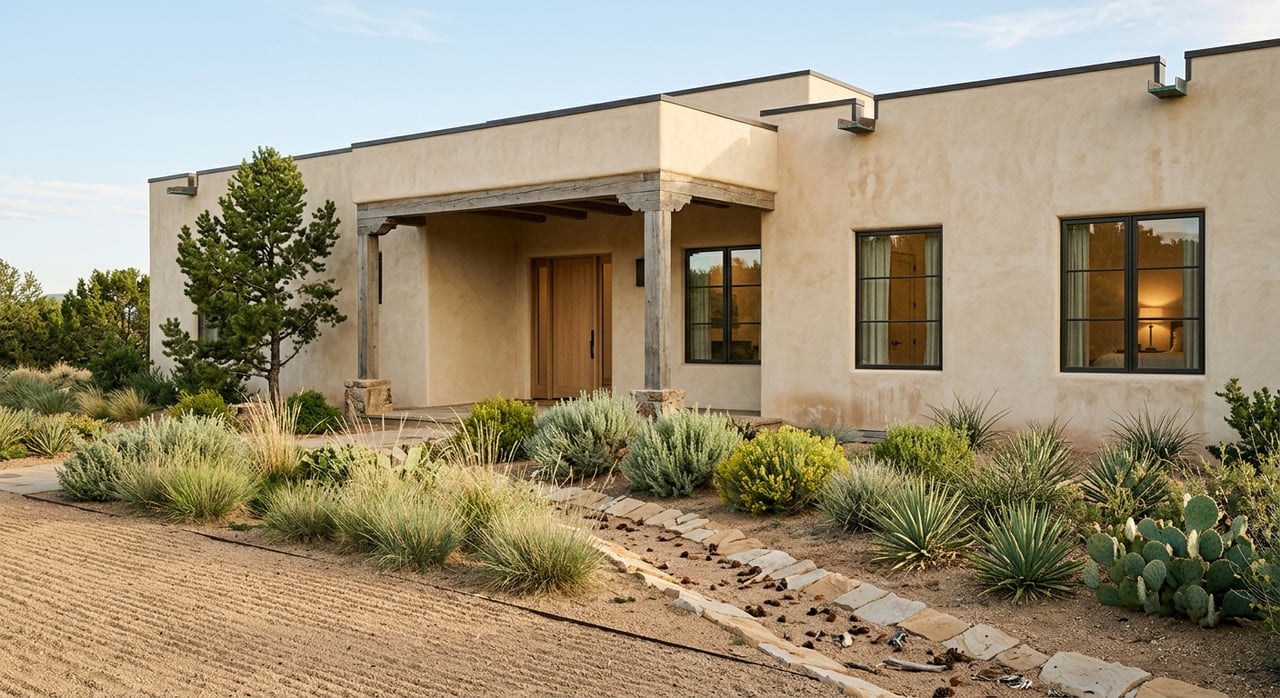
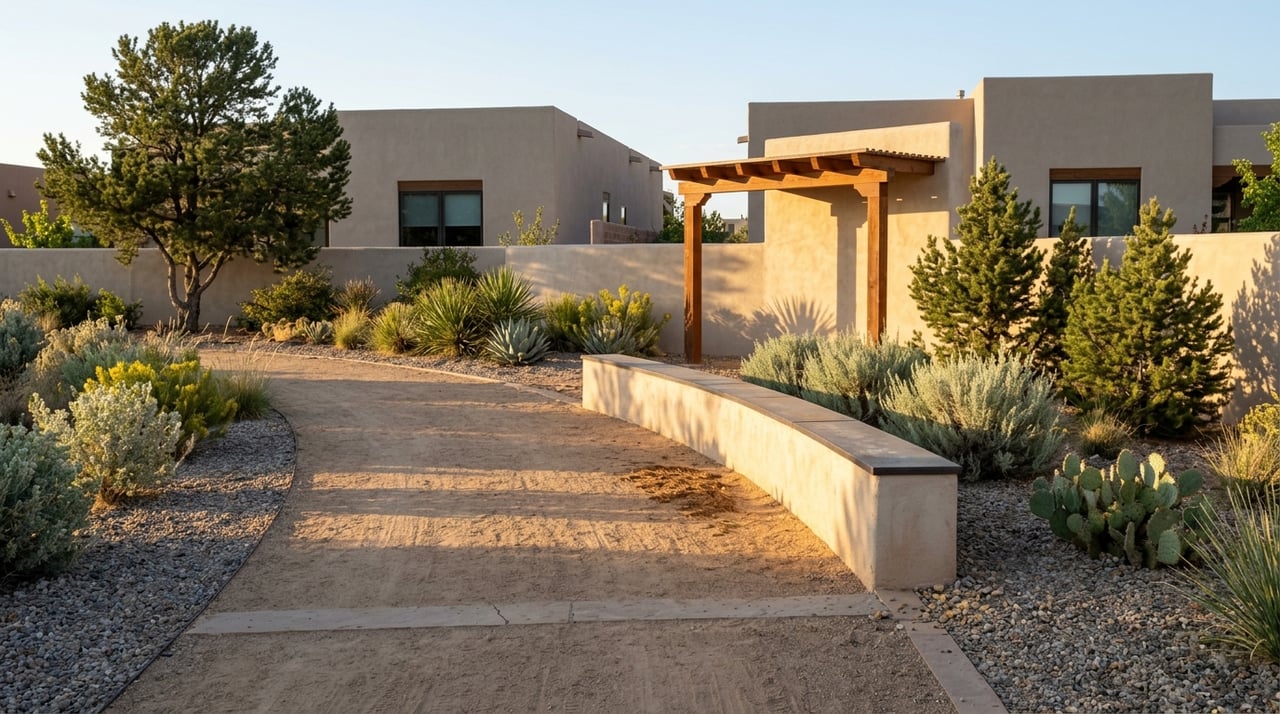
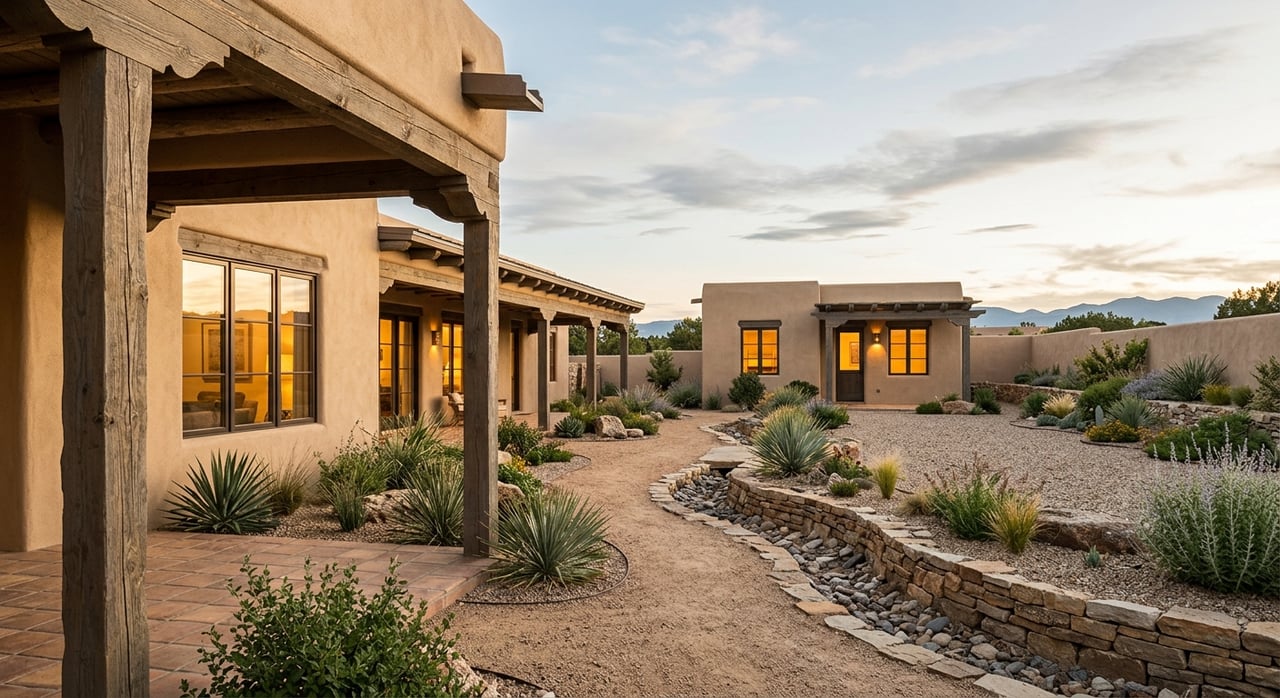
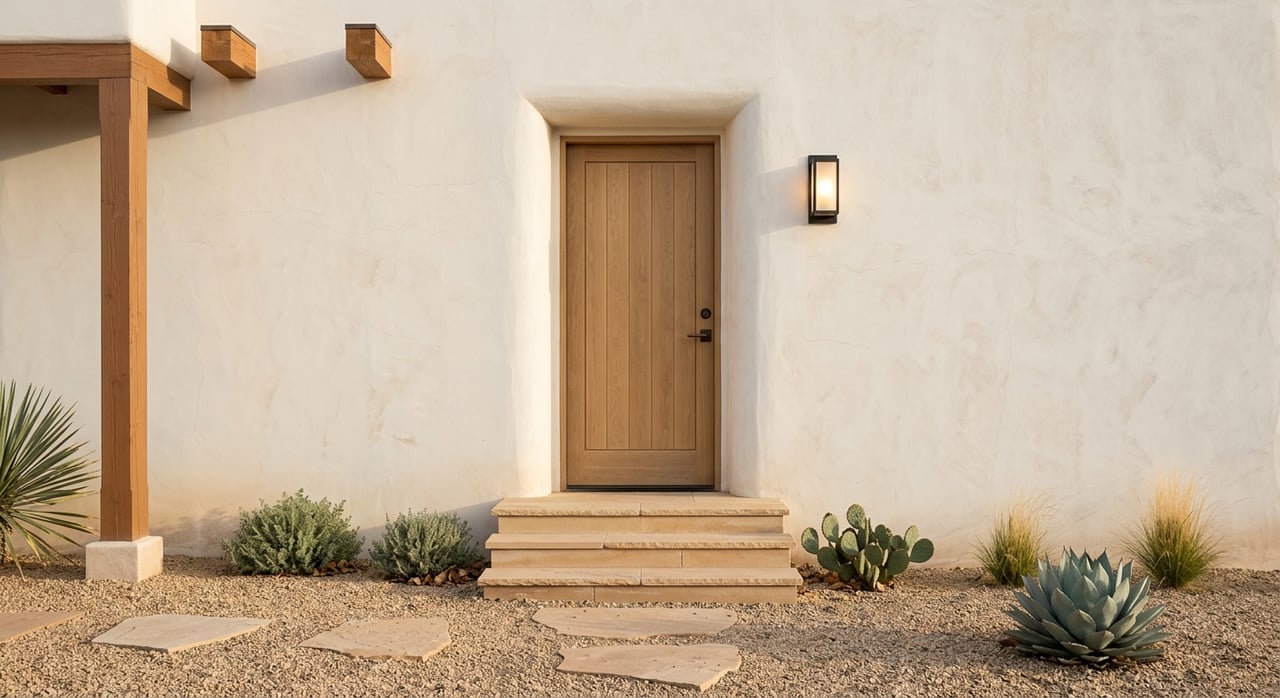
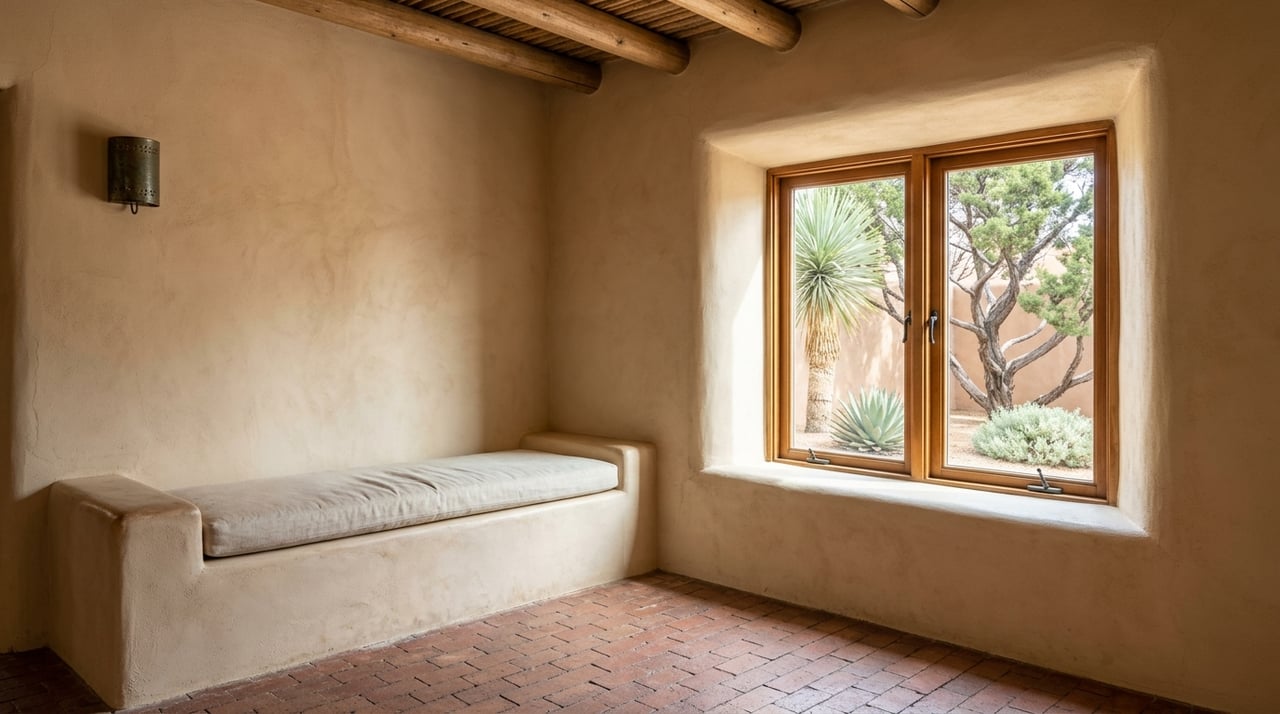
With historic adobe homes, buyers are often drawn to what newer homes cannot replicate. Thick walls, inset windows, vigas, parapets, portals, and earth-toned plaster all contribute to the home’s architectural identity.
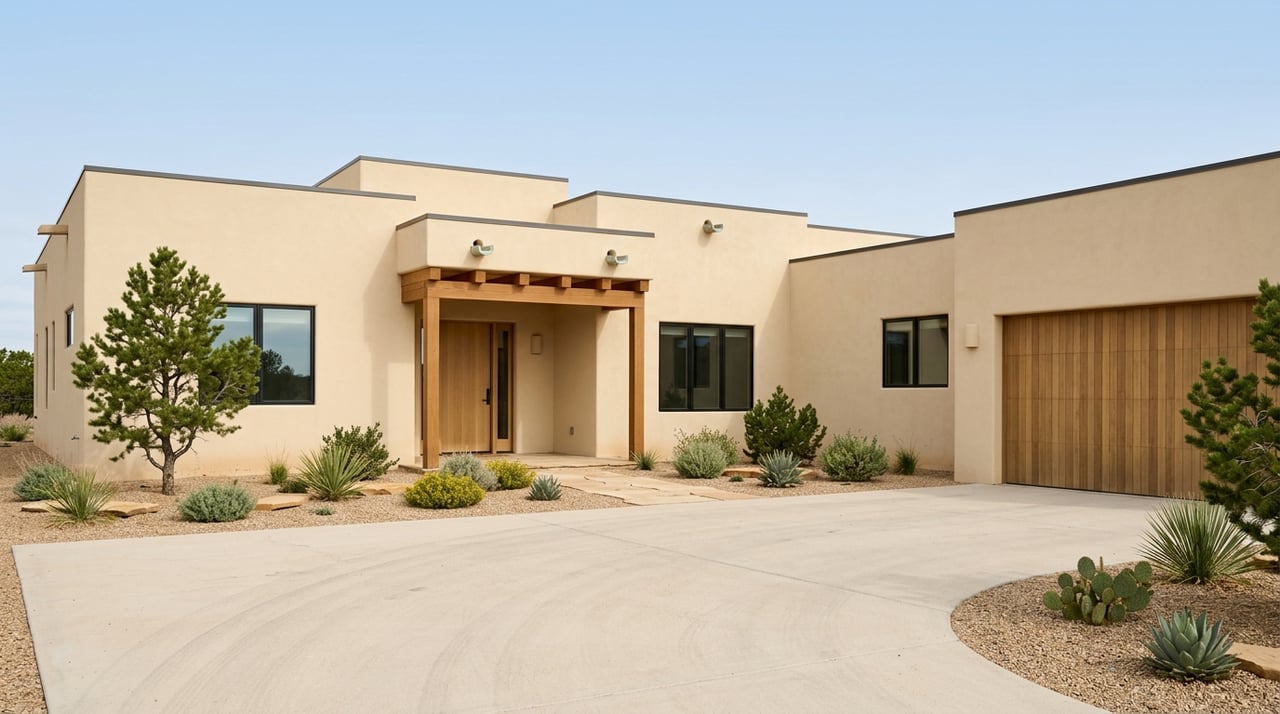
The city handbook describes traditional Santa Fe style as adobe masonry with mud plaster, generally one-color exterior walls, matte or dull earth-tone finishes, inset windows and doors, rounded corners, and facades that are largely covered in mud plaster or stucco. The city code also emphasizes deep window recesses and an adobe-like massing profile that harmonizes with surrounding historic fabric.
Repair rather than replace when possible
The Secretary of the Interior’s Standards for Rehabilitation emphasize retaining historic character, materials, and craftsmanship. They also caution against removing historic fabric or creating a false sense of history with features that were never there.
For most sellers, that means the safest pre-list strategy is to address true failures first and be cautious about replacing visible historic elements. A worn wood door, older plaster texture, or time-softened viga may be part of the home’s appeal if it has been properly maintained.
Do not assume later additions have no value
Historic homes evolve over time, and not every later change is expendable. The National Park Service notes in Standard 4 guidance that later changes can acquire significance in their own right.
In practical terms, that means a later portal, addition, or alteration may still be part of the home’s architectural story. Before removing or redesigning something, it is worth confirming whether it contributes to the property’s overall integrity.
Focus on Adobe Inspection Priorities
If you only do one thing before listing, make it an informed exterior and systems review. Adobe homes have unique maintenance needs, and buyers will pay attention to signs of deferred care.
The National Park Service’s Preservation Brief on adobe makes clear that moisture is the biggest risk. Standing rainwater, poor drainage, and groundwater can lead to erosion, bulging, cracking, and structural deformation.
Start with roof and drainage
A watertight roof and proper drainage are your first line of defense. The NPS notes that roof leaks and ponding water can damage both adobe walls and wood roof members.
Before listing, it is smart to have an exterior walk-through focused on:
- Roof condition
- Parapets
- Canales
- Eaves and fascia
- Drainage slope
- Foundation edges
- Areas where water may collect near walls
These are not glamorous upgrades, but they are often the repairs that matter most in an adobe sale.
Watch for incompatible materials
Not every repair helps an adobe home age well. The NPS warns that cement stucco, concrete patches, and portland-cement or lime mortars can trap moisture or crack adobe because they do not move the same way the original material does.
Compatible mud plaster or mud mortar is generally the safer preservation approach. If you have done exterior repairs in the past, it is helpful to know what materials were used and whether the work was reviewed and approved where required.
Check wood, plumbing, and hidden moisture
Adobe buyers and inspectors will look beyond surface cracks. The NPS also highlights deterioration in wood members such as vigas, rafters, lintels, windows, and doors, especially where rot or termites are present.
Leaking pipes and condensation can be especially damaging as well. If a home has hidden plumbing issues or long-term moisture intrusion, solving those problems before listing can make a meaningful difference in buyer confidence.
Build a Strong Documentation Packet
When you are selling a historic home, documentation can be as valuable as fresh paint in a conventional sale. Buyers of Historic Eastside properties often want to understand not just what the home looks like, but how it has been cared for.
A strong packet helps position the property as a documented historic residence rather than simply an older house.
What to gather before launch
Consider assembling:
- Original construction date, if known
- Architect or builder information, if known
- Major additions or renovations
- Historic photographs
- Prior permits
- HPD or HDRB approval letters
- Survey or inventory forms
- A simple repair history showing what was kept, repaired, or replaced
This type of packet aligns with the preservation framework behind Santa Fe’s historic review process and the federal rehabilitation standards. It can also answer buyer questions early, which often leads to smoother due diligence.
Confirm prior exterior work
If visible exterior work has already been done, confirm whether it was pre-approved by HPD and permitted when required. This is especially important for roofing, windows, solar, mechanical equipment, and re-stuccoing, all of which the city specifically flags on its building permits page.
If documentation is missing, it is better to discover that before the home goes live than during escrow.
Present the Architecture Clearly
Historic Eastside homes tend to photograph best when the architecture speaks for itself. Buyers drawn to Santa Fe adobe are often looking for authenticity, texture, and proportion.
That means your presentation strategy should feel restrained, intentional, and true to the house.
Let key adobe features lead
Photography should help buyers see the elements that define Santa Fe historic architecture, including:
- Thick walls
- Inset openings
- Deep window recesses
- Portals
- Vigas
- Parapets
- Earth-tone plaster surfaces
These are not just attractive details. They are part of what the city handbook and code identify as central to the district’s character.
Stage with restraint
In a design-rich market like Santa Fe, it can be tempting to over-style a historic home. Usually, less is more.
Low-profile furnishings, clear sight lines, and minimal visual clutter help original textures and proportions stand out. Oversized art, heavy themed decor, or pieces that block walls and windows can distract from what makes the home distinctive.
Consider Tax Credit Records Carefully
For some historic properties, organized records may offer future value beyond the sale itself. New Mexico’s Historic Preservation Division states that the state income tax credit is 50% of eligible costs for qualified, pre-approved rehabilitations on listed properties or contributing properties in a listed historic district.
The state page notes a $25,000 cap per 24-month approval period, or $50,000 in a state-certified Arts & Cultural District. Examples of eligible work may include roof repair, parapets, eaves, fascia, canales, foundation stabilization, windows, trim, and MEP systems.
Know the federal rule
The federal historic rehabilitation tax credit is 20%, but it applies only to income-producing properties. Owner-occupied residences do not qualify.
If your property has had rehabilitation work that may matter to a future buyer, keep invoices, approval letters, and related records organized. Even when credits are not relevant to your sale today, clear records strengthen the story of stewardship.
A Smart Pre-List Plan
Before putting a Historic Eastside adobe on the market, a careful sequence can save time and reduce surprises.
Here is a practical checklist based on the city process and adobe preservation guidance:
- Verify the parcel’s historic district status using the city’s historic preservation resources.
- Pull permit history and prior HPD or HDRB approvals.
- Order an exterior walk-through focused on roof, parapets, canales, plaster or stucco, drainage, foundation edges, plantings, and wood members.
- Confirm whether prior exterior work received the required approvals and permits.
- Address leaks or life-safety concerns promptly. If an emergency exists, use the city’s emergency process.
- Build a provenance packet with photos, records, and repair notes.
- Separate and organize documentation for any work that may support future tax credit review.
The goal is not to make the home look new. The goal is to present it as well cared for, properly documented, and true to its architectural character.
If you are preparing a historic Santa Fe property for sale and want a design-minded strategy that respects both preservation and presentation, The Agency Santa Fe can help you create a thoughtful plan tailored to your home, timeline, and market goals.
FAQs
What exterior work on a Historic Eastside adobe home may need approval before listing?
- In Santa Fe’s historic districts, exterior work such as roofing, window replacement, solar panels, mechanical equipment, and re-stuccoing may require HPD review and, in many cases, permits.
What should sellers inspect first in a Santa Fe adobe home before going to market?
- Roof condition, parapets, canales, drainage, foundation edges, plaster or stucco condition, wood members, and any signs of moisture intrusion should be high priorities.
Why is moisture such a major issue in historic adobe homes?
- According to the National Park Service, standing water, poor drainage, groundwater, leaks, and condensation can lead to erosion, cracking, bulging, and even structural failure in adobe walls.
Should you replace old materials when preparing a historic Santa Fe home for sale?
- Not automatically. Preservation standards generally favor retaining and repairing historic materials and character-defining features rather than replacing them unless they are truly failing.
What documents help most when selling a Historic Eastside property in Santa Fe?
- Helpful records include prior permits, HPD or HDRB approvals, repair history, historic photos, construction or architect information if known, and organized invoices for any rehabilitation work.
Can a buyer use historic tax credits on a Santa Fe adobe home?
- Possibly, depending on the property and the project. New Mexico offers a 50% state credit for qualified, pre-approved rehabilitations, while the federal 20% credit applies only to income-producing properties, not owner-occupied homes.